The Secret to a Flawless Bowling Release: Expert Advice and Drills

0

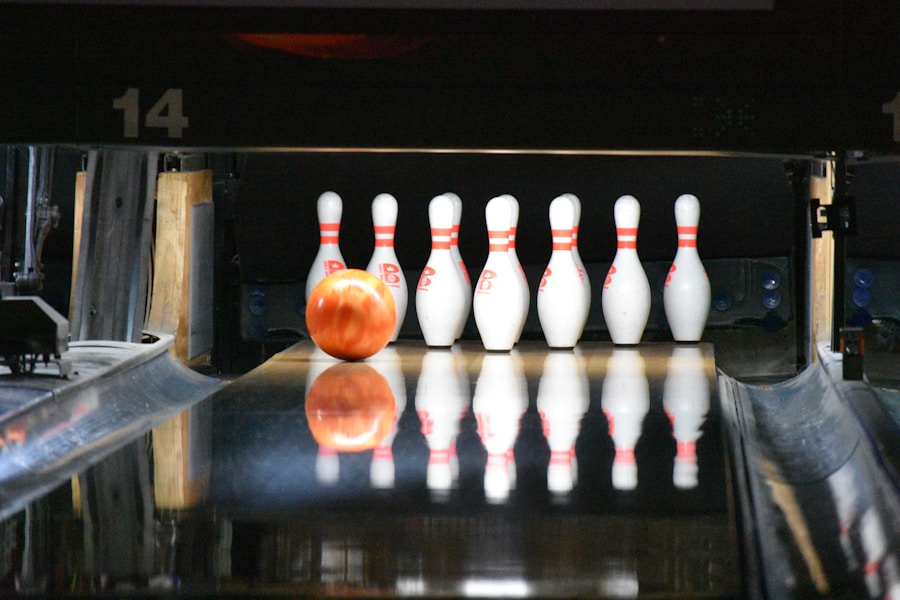
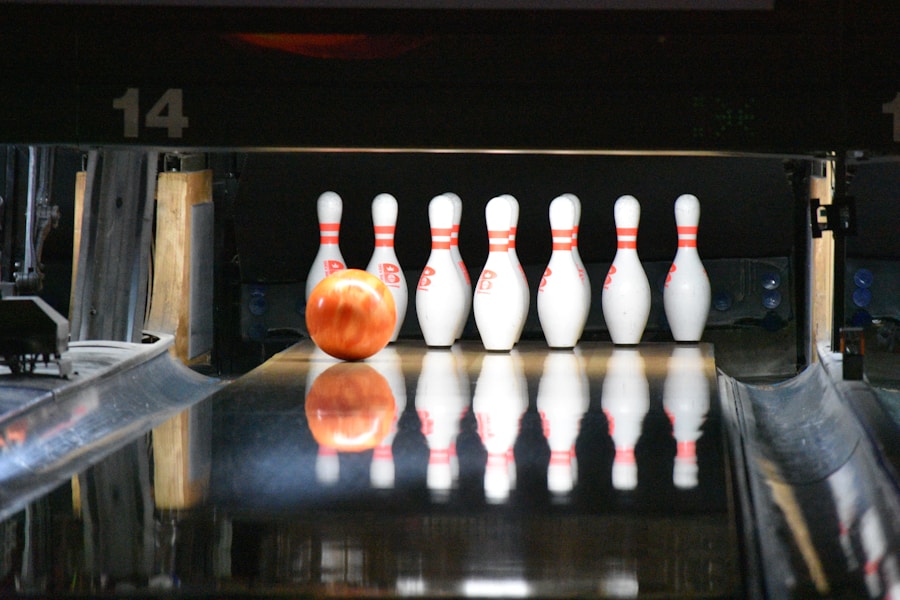
The release of the bowling ball is a crucial aspect of the game that can greatly impact your overall performance. A flawless release can result in a powerful and accurate delivery, while a flawed release can lead to inconsistency and missed opportunities. When the ball is released smoothly and at the right moment, it can generate the ideal amount of rotation and hook, allowing it to hit the pins with maximum force and precision. This is why mastering the art of the bowling release is essential for any serious bowler looking to improve their game.

A flawless release not only affects the trajectory and spin of the ball, but it also plays a significant role in preventing injury. A smooth release reduces the strain on your wrist and fingers, minimizing the risk of repetitive stress injuries. Additionally, a proper release can help you maintain control over the ball, allowing you to make subtle adjustments to your delivery as needed. Overall, understanding the importance of a flawless bowling release is key to achieving consistent and successful performances on the lanes.

Expert Tips for Achieving a Flawless Bowling Release

Achieving a flawless bowling release requires a combination of technique, timing, and mental focus. One of the most important aspects of a successful release is maintaining a relaxed and flexible wrist throughout the delivery. Tension in the wrist can lead to an inconsistent release, so it's crucial to keep your wrist loose and supple as you approach the foul line. Additionally, focusing on a smooth and controlled follow-through can help ensure that the ball leaves your hand cleanly and with the right amount of rotation.

Another expert tip for achieving a flawless release is to pay attention to your grip pressure. Gripping the ball too tightly can hinder your ability to release it smoothly, so it's important to find a balance that allows for a comfortable and natural release. Experiment with different grip pressures during practice sessions to find the optimal level for your individual style. Finally, maintaining proper posture and alignment throughout your approach can also contribute to a flawless release. Keeping your body in sync with your arm swing and release will help you achieve a consistent and powerful delivery every time.

Common Mistakes to Avoid When Releasing the Bowling Ball

While there are many factors that contribute to a flawless bowling release, there are also several common mistakes that can hinder your performance. One of the most common mistakes is gripping the ball too tightly, which can lead to an erratic and inconsistent release. It's important to find a grip pressure that allows for a smooth and controlled release without sacrificing control over the ball. Another common mistake is failing to maintain proper wrist position throughout the delivery. A bent or twisted wrist can result in a poor release, so it's essential to focus on keeping your wrist straight and relaxed as you release the ball.

Another mistake to avoid is rushing the release or forcing the ball down the lane. A rushed delivery can lead to loss of accuracy and power, so it's important to maintain a smooth and controlled release motion. Additionally, failing to follow through properly can also result in a flawed release. A strong and consistent follow-through is essential for generating power and rotation, so be sure to focus on completing your delivery with a full and fluid motion. By being mindful of these common mistakes and working to correct them, you can improve your chances of achieving a flawless bowling release.

Drills to Improve Your Bowling Release Technique

There are several drills that can help you improve your bowling release technique and achieve a more consistent and powerful delivery. One effective drill is the towel drill, which involves holding a towel in your bowling hand as you practice your approach and release. The towel helps to highlight any tension or inconsistency in your wrist position, allowing you to focus on keeping your wrist relaxed and straight throughout the delivery. Another helpful drill is the one-step drill, which involves taking just one step before releasing the ball. This drill helps you focus on timing and balance, as well as maintaining a smooth and controlled release motion.

Another useful drill for improving your release technique is the balance beam drill, which involves walking along a narrow beam while holding the bowling ball. This drill helps you develop better balance and stability during your approach, which can contribute to a more consistent and flawless release. Finally, practicing release drills with different types of balls, such as plastic or urethane balls, can help you develop a more versatile and adaptable release technique. By incorporating these drills into your practice routine, you can work towards achieving a flawless bowling release.

The Role of Timing and Balance in Achieving a Flawless Release

Timing and balance play crucial roles in achieving a flawless bowling release. Proper timing ensures that the ball is released at the optimal moment in your delivery, allowing for maximum power and accuracy. To achieve good timing, it's important to coordinate your footwork with your arm swing and release, ensuring that all elements of your approach are in sync. Additionally, maintaining good balance throughout your approach is essential for achieving a consistent and controlled release. By staying balanced and stable as you deliver the ball, you can minimize any potential for error and maximize your chances of achieving a flawless release.

One way to improve your timing and balance is to focus on maintaining a consistent and rhythmic approach to the foul line. By developing a smooth and controlled approach, you can set yourself up for a more successful release. Additionally, paying attention to your body positioning and alignment can help you achieve better balance throughout your delivery. By keeping your body centered and aligned with your target, you can ensure that your energy is directed towards delivering the ball with maximum power and precision. Overall, understanding the role of timing and balance in achieving a flawless release is essential for any bowler looking to improve their game.

The Mental Aspect of Mastering the Bowling Release

Mastering the bowling release isn't just about physical technique – it also involves a strong mental component. Confidence plays a crucial role in achieving a flawless release, as doubt or hesitation can lead to tension and inconsistency in your delivery. It's important to approach each shot with a positive mindset, focusing on your strengths and abilities rather than dwelling on potential mistakes or failures. Visualization can also be a powerful tool for mastering the bowling release, as mentally rehearsing successful releases can help build confidence and reinforce good habits.

Another mental aspect of mastering the bowling release is staying focused and present throughout your approach. It's easy to get distracted or overwhelmed by external factors, but maintaining mental composure is essential for achieving a flawless release. By staying focused on your target and maintaining a clear mental picture of your desired outcome, you can increase your chances of delivering the ball with precision and power. Additionally, developing mental resilience can help you bounce back from any setbacks or mistakes, allowing you to stay confident and composed as you work towards mastering the bowling release.

How to Maintain a Consistent Bowling Release Over Time

Maintaining a consistent bowling release over time requires ongoing practice, dedication, and attention to detail. One key aspect of consistency is developing good habits and routines that support a flawless release. This includes regular practice sessions focused on refining your technique, as well as incorporating drills and exercises that target specific aspects of your release motion. By consistently working on your form and delivery, you can build muscle memory and reinforce good habits that contribute to a more consistent release.

Another important factor in maintaining a consistent bowling release is staying attuned to your body and making adjustments as needed. As your physical condition changes over time, such as due to age or injury, it's important to adapt your technique accordingly. This may involve working with a coach or trainer to identify any areas for improvement and develop strategies for maintaining a consistent release despite any physical changes. Additionally, staying mindful of any changes in lane conditions or equipment can also help you maintain consistency in your release. By staying adaptable and open to making adjustments as needed, you can continue to achieve a flawless bowling release over time.

In conclusion, achieving a flawless bowling release requires a combination of physical technique, mental focus, and ongoing dedication. By understanding the importance of a flawless release, incorporating expert tips into your practice routine, avoiding common mistakes, utilizing drills to improve technique, focusing on timing and balance, mastering the mental aspect of the game, and maintaining consistency over time, you can work towards achieving greater success on the lanes. With patience, perseverance, and a commitment to continuous improvement, you can develop a more powerful and accurate bowling release that enhances your overall performance as a bowler.
Report This Post

Striking Success: 5 Must-Try Drills for Perfecting Your Bowling Accuracy

0

Bowling accuracy is a crucial aspect of the game that can make the difference between a strike and a gutter ball. Accuracy is the ability to consistently hit the same target on the lane, which is essential for achieving high scores and improving your overall game. Without accuracy, it is nearly impossible to consistently hit the pocket and knock down the pins. In addition, accuracy is also important for picking up spares, as it allows you to target specific pins with precision.

Furthermore, accuracy is not only important for scoring high, but it also contributes to the overall enjoyment of the game. When you are able to consistently hit your target, it can lead to a sense of accomplishment and satisfaction. On the other hand, constantly missing your mark can be frustrating and discouraging. Therefore, understanding the importance of bowling accuracy is essential for any bowler looking to improve their game and enjoy the sport to its fullest.

The Basics of Perfecting Your Bowling Accuracy

Perfecting your bowling accuracy requires a combination of proper technique, focus, and practice. One of the most important aspects of accuracy is having a consistent and repeatable approach. This includes maintaining proper balance and alignment throughout your entire delivery. Additionally, having a smooth and controlled release is crucial for hitting your target consistently.

Another key factor in perfecting your accuracy is understanding the lane conditions and making adjustments accordingly. This may involve changing your starting position, target, or even your equipment based on the oil pattern and lane surface. Furthermore, mental focus and visualization play a significant role in accuracy, as being able to visualize your shot and stay focused on your target can greatly improve your chances of hitting it.

Drill #1: Target Practice

One effective drill for improving bowling accuracy is target practice. This drill involves setting up specific targets on the lane and focusing on hitting them with each shot. This can be done by placing tape or markers on the lane to create a visual target for each shot. By practicing hitting these targets consistently, you can improve your ability to hit specific spots on the lane with precision.

In addition to physical targets, mental targets can also be used for this drill. Visualizing a specific point on the lane and focusing on hitting it with each shot can help improve your ability to hit your mark consistently. This drill can be done during practice sessions or even during league play by using the arrows or dots on the lane as targets.

Drill #2: Balance and Alignment

Another important aspect of bowling accuracy is maintaining proper balance and alignment throughout your delivery. One drill that can help improve this is focusing on your balance and alignment during each shot. This can be done by practicing your approach without a ball, focusing on maintaining a stable and balanced posture from start to finish.

Another drill for improving balance and alignment is using a balance board or stability ball during practice. By incorporating these tools into your practice routine, you can improve your overall stability and balance, which can lead to improved accuracy on the lanes.

Drill #3: Follow-Through and Release

The follow-through and release are crucial components of a successful bowling shot, and they play a significant role in accuracy. One drill for improving your follow-through and release is focusing on finishing your shot with a smooth and controlled motion. This can be done by practicing your follow-through without a ball, focusing on extending your arm towards your target and maintaining a consistent release.

Another drill for improving your follow-through and release is using a release trainer or wrist support device during practice. These tools can help you develop a more consistent release and follow-through, which can lead to improved accuracy on the lanes.

Drill #4: Adjusting Your Approach

Adjusting your approach based on lane conditions is an important skill for improving bowling accuracy. One drill for practicing this skill is experimenting with different starting positions and target lines during practice sessions. By making small adjustments to your approach and target based on the lane conditions, you can develop the ability to adapt to different oil patterns and lane surfaces.

Another drill for improving your ability to adjust your approach is practicing spare shooting with different starting positions and target lines. By experimenting with different angles and approaches for picking up spares, you can develop the ability to make quick adjustments based on the specific spare you are shooting at.

Drill #5: Consistency and Repetition

Consistency and repetition are key elements in improving bowling accuracy. One drill for developing consistency is focusing on repeating the same approach and release with each shot during practice sessions. By focusing on maintaining a consistent approach and release, you can develop muscle memory that will lead to improved accuracy on the lanes.

Another drill for improving consistency is practicing spare shooting with different spare combinations. By repeatedly shooting at specific spare combinations during practice sessions, you can develop the ability to consistently pick up spares with precision.

In conclusion, perfecting your bowling accuracy requires a combination of proper technique, focus, and practice. By understanding the importance of accuracy and implementing drills to improve it, you can significantly enhance your overall game and enjoyment of the sport. Whether you are a casual bowler or a competitive player, developing accuracy is essential for achieving high scores and mastering the game of bowling.

Report This Post

From Cleaning to Storage: The Complete Guide to Caring for Your Bowling Ball

0

Bowling ball care is an essential aspect of maintaining the performance and longevity of your bowling ball. Whether you are a casual bowler or a competitive player, taking care of your bowling ball is crucial to ensure that it performs at its best every time you step onto the lanes. Proper care involves cleaning, maintaining the surface, storing, and knowing when to resurface your bowling ball. By following these steps, you can extend the lifespan of your bowling ball and continue to enjoy a consistent and reliable performance.

Cleaning Your Bowling Ball

Cleaning your bowling ball is a fundamental part of its maintenance. Over time, oil and dirt can build up on the surface of the ball, affecting its performance. To clean your bowling ball, you can use a specially formulated bowling ball cleaner or a mild dish soap and water. Simply apply the cleaner to a microfiber towel and wipe down the surface of the ball, making sure to remove any dirt and oil buildup. It is important to clean your bowling ball after every use to prevent the accumulation of debris that can affect its performance. Additionally, regular cleaning can help maintain the appearance of your bowling ball, keeping it looking new and fresh.

Another method for cleaning your bowling ball is to use a bowling ball rejuvenator machine. These machines use heat and rotation to extract oil from the pores of the ball, effectively deep cleaning it. This method is particularly useful for removing stubborn oil buildup that regular cleaning may not be able to address. By incorporating regular cleaning into your bowling ball care routine, you can ensure that your ball remains in top condition and performs at its best.

Maintaining Your Bowling Ball's Surface

Maintaining the surface of your bowling ball is another crucial aspect of its care. The surface of the ball can become dull or worn over time, affecting its hook potential and overall performance. To maintain the surface of your bowling ball, you can use a bowling ball polish or compound to restore its shine and smoothness. Applying a small amount of polish to a microfiber towel and rubbing it onto the surface of the ball can help restore its original finish. Additionally, using a ball spinner can aid in evenly distributing the polish and achieving a smooth surface.

In addition to polishing, it is important to regularly inspect the surface of your bowling ball for any signs of wear or damage. If you notice any scratches, dents, or other imperfections, it may be necessary to have your ball resurfaced by a professional. By maintaining the surface of your bowling ball, you can ensure that it continues to perform at its best and maintain its hook potential for consistent results on the lanes.

Storing Your Bowling Ball Properly

Proper storage is essential for maintaining the performance and lifespan of your bowling ball. When not in use, it is important to store your bowling ball in a cool, dry place away from direct sunlight and extreme temperatures. Exposing your bowling ball to high temperatures can cause it to expand, while cold temperatures can cause it to contract, potentially leading to cracking or warping. Additionally, storing your bowling ball in a humid environment can lead to the absorption of moisture, which can affect its weight and balance.

To protect your bowling ball from damage during storage, it is recommended to use a padded bowling ball bag or case. These bags provide cushioning and protection from impact, preventing dents or scratches that can affect the performance of the ball. When transporting your bowling ball, it is important to handle it with care and avoid dropping or banging it against hard surfaces. By storing your bowling ball properly, you can ensure that it remains in top condition and ready for use whenever you hit the lanes.

Understanding When to Resurface Your Bowling Ball

Knowing when to resurface your bowling ball is an important part of its maintenance. Over time, the surface of the ball can become worn or damaged, affecting its hook potential and overall performance. Signs that indicate the need for resurfacing include visible scratches, dents, or a loss of hook potential. Additionally, if you notice that your bowling ball is not reacting as it once did or is not performing consistently, it may be time to consider having it resurfaced.

Resurfacing your bowling ball involves removing a small layer of material from the surface to restore its original finish and hook potential. This process can be done by a professional using specialized equipment and techniques to ensure that the surface is smooth and even. By understanding when to resurface your bowling ball, you can maintain its performance and extend its lifespan for continued success on the lanes.

Tips for Extending the Lifespan of Your Bowling Ball

In addition to regular maintenance, there are several tips for extending the lifespan of your bowling ball. One tip is to rotate the finger holes periodically to prevent uneven wear on the gripping area. This can help distribute the pressure evenly and prevent excessive wear on one particular area of the ball. Another tip is to avoid dropping or banging your bowling ball against hard surfaces, as this can cause dents or scratches that affect its performance.

It is also important to avoid exposing your bowling ball to harsh chemicals or solvents that can damage its surface or weight block. Additionally, using a towel or shammy to wipe down your bowling ball after each use can help remove excess oil and dirt, preventing buildup that can affect its performance. By incorporating these tips into your bowling ball care routine, you can extend the lifespan of your ball and continue to enjoy consistent performance on the lanes.

Seeking Professional Help for Bowling Ball Maintenance

While regular maintenance is essential for caring for your bowling ball, there are times when professional help may be necessary. If you notice significant wear or damage on the surface of your bowling ball, it may be best to seek the expertise of a professional to have it resurfaced or repaired. Additionally, if you are unsure about how to properly clean or maintain your bowling ball, a professional can provide guidance and recommendations for keeping it in top condition.

Professional pro shops and bowling centers often offer services such as resurfacing, drilling, and fitting to ensure that your bowling ball performs at its best. These professionals have the knowledge and experience to assess the condition of your bowling ball and recommend the appropriate maintenance or repairs needed. By seeking professional help for bowling ball maintenance, you can ensure that your ball remains in top condition and continues to deliver consistent performance on the lanes.

In conclusion, taking care of your bowling ball is essential for maintaining its performance and longevity. By following proper cleaning, maintenance, storage, and resurfacing techniques, you can extend the lifespan of your bowling ball and continue to enjoy consistent results on the lanes. Additionally, incorporating tips for extending its lifespan and seeking professional help when needed can help ensure that your bowling ball remains in top condition for years to come. With proper care and maintenance, you can maximize the potential of your bowling ball and continue to achieve success in your game.

Report This Post

Strike a Pose: The Art of Finding Your Ideal Bowling Stance

0

Having a proper bowling stance is crucial to your success on the lanes. It sets the foundation for your entire approach and delivery, and can greatly impact your accuracy and power. A good stance provides stability and balance, allowing you to generate the necessary power and control to consistently hit your target. Without a solid stance, you may find yourself struggling to maintain consistency in your game, leading to frustration and subpar performance. Additionally, a proper bowling stance can help prevent injury by ensuring that your body is properly aligned and in a position to execute your delivery with minimal strain. In short, the importance of a proper bowling stance cannot be overstated, and it is essential for any bowler looking to improve their game.

Understanding the Basics of a Bowling Stance

The basics of a bowling stance are relatively simple, but they are crucial to master in order to achieve success on the lanes. Your stance begins with your feet shoulder-width apart, with your non-dominant foot slightly ahead of your dominant foot. Your knees should be slightly bent, providing a stable base from which to initiate your approach. Your upper body should be relaxed, with your shoulders square to the foul line and your bowling arm hanging naturally at your side. Finally, your head should be upright and focused on your target down the lane. These basic elements of a bowling stance provide the foundation for a strong and consistent approach, and mastering them is essential for any bowler looking to improve their game.

Finding Your Ideal Bowling Stance

Finding your ideal bowling stance is a process that requires experimentation and practice. Every bowler is unique, and what works for one may not work for another. It is important to take the time to experiment with different foot positions, knee bends, and upper body alignments in order to find the stance that feels most comfortable and natural for you. Additionally, seeking feedback from a coach or experienced bowler can be invaluable in helping you identify areas for improvement in your stance. Once you have found a stance that feels comfortable and provides stability and balance, it is important to practice it consistently in order to develop muscle memory and ensure that it becomes second nature.

Common Mistakes to Avoid in Your Bowling Stance

There are several common mistakes that bowlers often make in their stance that can negatively impact their game. One of the most common mistakes is standing too upright, which can lead to a lack of balance and stability during the approach. Another common mistake is having too wide or too narrow of a stance, which can impact your ability to generate power and control. Additionally, failing to keep your shoulders square to the foul line can lead to inconsistencies in your delivery. It is important to be mindful of these common mistakes and work to correct them in order to improve your overall game.

Adjusting Your Stance for Different Bowling Conditions

Bowling conditions can vary greatly from one lane to another, and it is important to be able to adjust your stance accordingly in order to adapt to these conditions. For example, on oily lanes, you may need to adjust your stance to provide more stability and control, while on dry lanes, you may need to open up your stance in order to generate more power. Additionally, adjusting your stance based on the specific lane pattern can help you better navigate the transition from the oil pattern to the dry boards. Being able to make these adjustments on the fly can greatly improve your ability to perform consistently in a variety of bowling conditions.

The Role of Balance and Stability in Your Bowling Stance

Balance and stability are crucial components of a proper bowling stance, as they provide the foundation for a strong and consistent approach and delivery. Without balance and stability, it is nearly impossible to generate the power and control necessary to consistently hit your target. Maintaining proper balance throughout your approach requires a stable base, with your weight evenly distributed between both feet. Additionally, stability is achieved through proper alignment of the upper body and maintaining a relaxed posture. Developing these elements of balance and stability in your bowling stance is essential for any bowler looking to improve their game.

Practicing and Perfecting Your Bowling Stance

Practicing and perfecting your bowling stance is essential for improving your overall game. Consistent practice allows you to develop muscle memory and ensure that your stance becomes second nature, allowing you to focus on other aspects of your game during competition. Additionally, seeking feedback from a coach or experienced bowler can help you identify areas for improvement in your stance and provide valuable insights into how to make adjustments. Finally, incorporating drills and exercises into your practice routine can help you develop the strength and flexibility necessary to maintain a proper stance throughout your approach and delivery. By dedicating time and effort to practicing and perfecting your bowling stance, you can greatly improve your overall game and achieve greater success on the lanes.

In conclusion, having a proper bowling stance is essential for any bowler looking to improve their game. It provides the foundation for a strong and consistent approach and delivery, and can greatly impact your accuracy and power. Understanding the basics of a bowling stance, finding your ideal stance, avoiding common mistakes, adjusting for different conditions, and developing balance and stability are all crucial components of mastering your stance. By dedicating time and effort to practicing and perfecting your bowling stance, you can greatly improve your overall game and achieve greater success on the lanes.

Report This Post

Achieving Your Best Game: Steps to Enhance Bowling Consistency

0

Bowling is a sport that requires a unique combination of physical skill, mental focus, and strategic thinking. One of the first steps to becoming a successful bowler is understanding your own personal bowling style. This involves analyzing your physical attributes, such as your height, weight, and strength, as well as your natural bowling technique. Some bowlers may have a more powerful throw, while others may rely on finesse and accuracy. Understanding your own style can help you make adjustments to improve your game and maximize your potential.

In addition to physical attributes, it's important to consider your mental approach to the game. Are you a calm and collected bowler, or do you tend to get nervous under pressure? Understanding your mental strengths and weaknesses can help you develop a consistent approach to the game and improve your overall performance. By taking the time to understand your own bowling style, you can begin to develop a personalized strategy that plays to your strengths and minimizes your weaknesses.

Developing a Consistent Approach

Once you have a clear understanding of your own bowling style, the next step is to develop a consistent approach to the game. This involves creating a routine that you can follow before each throw, from the moment you step up to the lane to the moment you release the ball. A consistent approach can help you maintain focus and control, leading to more accurate throws and higher scores.

One key aspect of developing a consistent approach is finding a comfortable starting position on the approach. This is the spot where you begin your approach to the foul line, and it's important to find a position that feels natural and allows for a smooth delivery. Additionally, developing a consistent pre-shot routine can help you mentally prepare for each throw and maintain focus throughout the game. By developing a consistent approach, you can improve your overall performance and become a more confident and successful bowler.

Perfecting Your Release

The release is one of the most crucial aspects of bowling, as it determines the trajectory and spin of the ball as it travels down the lane. Perfecting your release involves finding the right balance between power and accuracy, as well as developing a smooth and consistent motion. One key element of a successful release is maintaining a relaxed grip on the ball, allowing for a natural and fluid motion as you release it. Additionally, focusing on your follow-through can help ensure a clean release and maximize the power and accuracy of your throw.

Another important aspect of perfecting your release is finding the right amount of spin for each throw. Some bowlers prefer a straight throw with minimal spin, while others rely on a hook or curve to control the ball's path down the lane. Experimenting with different release techniques can help you find the right balance of spin for your individual style and lane conditions. By perfecting your release, you can improve your overall accuracy and consistency, leading to higher scores and greater success on the lanes.

Utilizing Proper Equipment

Bowling is a sport that requires specialized equipment, including bowling balls, shoes, and accessories. Utilizing proper equipment is essential for maximizing your potential as a bowler and improving your overall performance. When it comes to bowling balls, it's important to find one that matches your individual style and lane conditions. Some bowlers may prefer a heavier ball for more power, while others may opt for a lighter ball for greater control and accuracy. Additionally, choosing the right coverstock and core design can help you achieve the desired ball reaction on different lane surfaces.

In addition to bowling balls, proper footwear is essential for maintaining stability and balance on the approach. Bowling shoes are designed with specialized soles that allow for smooth sliding during the approach and controlled braking at the foul line. Finding the right pair of shoes that fit comfortably and provide adequate support can help you maintain proper form and technique throughout the game. Finally, utilizing accessories such as wrist supports or finger tape can help prevent injury and improve comfort during extended periods of play. By utilizing proper equipment, you can enhance your overall performance and enjoy a more successful bowling experience.

Maintaining Physical and Mental Fitness

Bowling is a physically demanding sport that requires strength, flexibility, and endurance. Maintaining physical fitness is essential for preventing injury and maximizing your potential as a bowler. Regular exercise routines that focus on core strength, flexibility, and cardiovascular endurance can help improve your overall performance on the lanes. Additionally, maintaining proper nutrition and hydration can help ensure that your body has the energy and stamina needed for extended periods of play.

In addition to physical fitness, mental fitness is also crucial for success in bowling. Developing mental toughness and focus can help you maintain composure under pressure and make strategic decisions throughout the game. Techniques such as visualization, deep breathing, and positive self-talk can help you stay calm and confident during competition. Additionally, taking regular breaks between games can help prevent mental fatigue and maintain focus throughout the entire session. By maintaining physical and mental fitness, you can improve your overall performance and enjoy greater success on the lanes.

Adjusting to Lane Conditions

Lane conditions can have a significant impact on your overall performance as a bowler. Factors such as oil patterns, lane topography, and environmental conditions can all affect the way the ball reacts as it travels down the lane. Learning how to adjust to different lane conditions is essential for maintaining consistency and accuracy in your throws. One key aspect of adjusting to lane conditions is understanding how oil patterns affect ball motion. Different oil patterns can create varying levels of friction and skid on the lane surface, which in turn affects the ball's hook potential and overall trajectory.
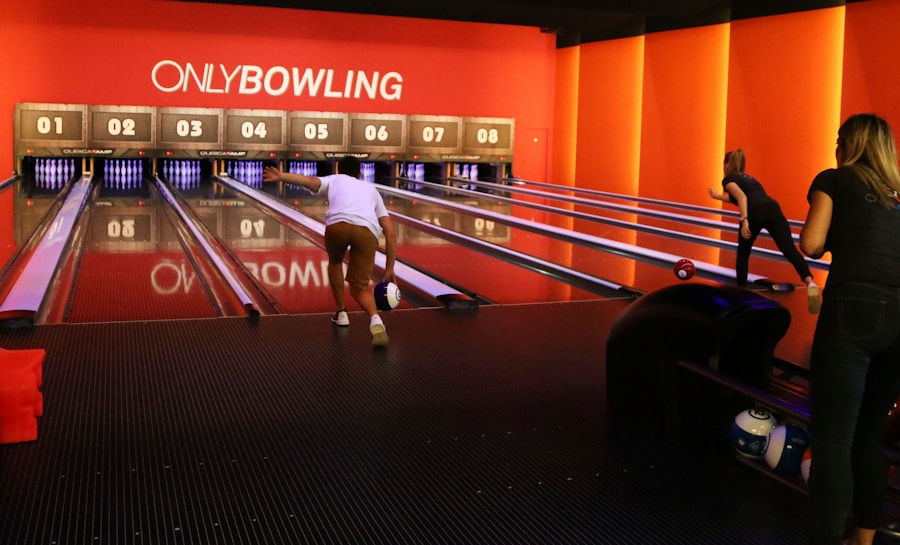
In addition to oil patterns, it's important to consider how changes in lane topography or environmental conditions can affect ball motion. For example, temperature and humidity levels in the bowling alley can impact the way the ball reacts as it travels down the lane. Learning how to make subtle adjustments to your approach, release, or equipment based on these factors can help you maintain consistency and accuracy in different playing conditions. By developing a keen awareness of lane conditions and learning how to adjust accordingly, you can improve your overall performance and become a more versatile and successful bowler.

Seeking Professional Guidance

Finally, seeking professional guidance can be an invaluable resource for improving your skills as a bowler. Working with a qualified coach or instructor can provide personalized feedback and guidance tailored to your individual needs and goals. A professional coach can help identify areas for improvement in your technique, strategy, or mental approach to the game, as well as provide specific drills or exercises to help you make progress. Additionally, working with a coach can provide accountability and motivation to help you stay focused on your goals and continue making strides in your development as a bowler.

In addition to working with a coach, seeking out opportunities for competitive play or joining a league can provide valuable experience and exposure to different playing styles and strategies. Competing against other skilled bowlers can help you learn new techniques, develop strategic thinking skills, and gain confidence in high-pressure situations. Additionally, participating in league play can provide regular opportunities for practice and improvement in a supportive and social environment. By seeking professional guidance and engaging in competitive play, you can continue to grow as a bowler and enjoy greater success on the lanes.

In conclusion, becoming a successful bowler requires a combination of physical skill, mental focus, strategic thinking, and ongoing dedication to improvement. By understanding your own personal bowling style, developing a consistent approach to the game, perfecting your release technique, utilizing proper equipment, maintaining physical and mental fitness, adjusting to different lane conditions, and seeking professional guidance, you can maximize your potential as a bowler and enjoy greater success on the lanes. Whether you're an experienced bowler looking to take your game to the next level or just starting out in the sport, these principles can help you develop into a more confident, skilled, and successful bowler. With dedication, practice, and ongoing learning, you can continue to grow as a bowler and achieve your goals in this challenging yet rewarding sport.

Report This Post

Striking Differences: Exploring the Gap Between Recreational and Professional Bowling

0

Bowling is a popular sport and recreational activity that has been enjoyed by people of all ages for centuries. The game involves rolling a heavy ball down a narrow lane in an attempt to knock down a set of pins at the other end. While bowling is often seen as a casual pastime, it is also a highly competitive sport with a professional circuit that attracts top athletes from around the world. Professional bowling requires a high level of skill, physical fitness, and mental focus, making it a challenging and rewarding pursuit for those who choose to compete at the highest level.

The Physical and Mental Demands of Professional Bowling

Professional bowling is a physically demanding sport that requires strength, flexibility, and endurance. Bowlers must be able to generate enough power to propel a heavy ball down the lane with accuracy and consistency. This requires strong legs, core muscles, and upper body strength. In addition to physical strength, professional bowlers must also possess mental toughness and focus. The ability to maintain concentration and composure under pressure is crucial for success in competition. Professional bowlers must be able to analyze lane conditions, adjust their technique, and make split-second decisions in order to achieve the best possible results.

On the mental side, professional bowlers must also be able to handle the pressure of competition. The ability to stay calm and focused in high-stakes situations is essential for success in professional bowling. Additionally, professional bowlers must be able to adapt to changing lane conditions and make quick decisions in order to maximize their performance. This combination of physical and mental demands makes professional bowling a challenging and dynamic sport that requires a high level of skill and dedication.

The Equipment and Techniques Used in Professional Bowling

Professional bowlers use specialized equipment and techniques to maximize their performance on the lanes. The most important piece of equipment for a bowler is the ball. Professional bowlers typically use custom-fitted balls that are designed to match their individual style and preferences. These balls are made of a durable plastic or resin material and are weighted to the specific preferences of the bowler. In addition to the ball, professional bowlers also use specialized shoes that are designed to provide traction and stability on the approach and release.

In terms of technique, professional bowlers use a variety of different styles and approaches to deliver the ball down the lane. The most common technique is the traditional 4-step approach, which involves taking four steps before releasing the ball. However, some bowlers use a 5-step or 6-step approach, depending on their individual preferences and physical abilities. In addition to the approach, professional bowlers also use a variety of different release techniques to generate power and accuracy. These techniques include the hook, straight ball, and backup ball, each of which requires a different hand position and release angle.

The Competitive Environment in Professional Bowling

The professional bowling circuit is a highly competitive environment that attracts top athletes from around the world. The Professional Bowlers Association (PBA) is the premier organization for professional bowlers, hosting a series of tournaments throughout the year that offer substantial prize money and prestige. In addition to the PBA Tour, there are also international competitions such as the World Bowling Tour and the QubicaAMF Bowling World Cup that attract top talent from around the globe.

Competition in professional bowling is fierce, with bowlers competing in a variety of different formats including singles, doubles, trios, and team events. Each format presents its own unique challenges and requires a different set of skills and strategies. In addition to individual events, professional bowlers also compete in team events such as the Weber Cup and the PBA League, which require strong communication and teamwork in order to succeed.

The Social and Recreational Aspects of Bowling

In addition to its competitive aspects, bowling also has a strong social and recreational component that makes it an enjoyable activity for people of all ages. Many people participate in bowling leagues and clubs as a way to socialize with friends and meet new people. Bowling leagues provide an opportunity for friendly competition and camaraderie, as well as a chance to improve skills and learn from more experienced bowlers.

Bowling is also a popular recreational activity for families and friends looking for a fun and affordable way to spend time together. Many bowling alleys offer special events such as cosmic bowling, where the lights are turned off and neon lights illuminate the lanes, creating a party-like atmosphere. In addition to cosmic bowling, many bowling alleys also offer arcade games, food and drink options, making it a popular destination for birthday parties and other special occasions.

The Role of Coaching and Training in Professional Bowling

Coaching and training play a crucial role in the development of professional bowlers. Many top professionals work with coaches who help them refine their technique, improve their physical fitness, and develop mental strategies for competition. Coaches work with bowlers on all aspects of their game, from physical conditioning to lane play strategy, helping them maximize their potential and achieve their goals.

In addition to coaching, professional bowlers also engage in regular training regimens that include strength training, flexibility exercises, and mental conditioning. Many top professionals work with personal trainers who help them develop customized workout plans that target specific areas of their physical fitness. Mental conditioning is also an important aspect of training for professional bowlers, who often work with sports psychologists or mental coaches to develop strategies for managing stress, maintaining focus, and staying motivated.

The Financial and Career Implications of Professional Bowling

Professional bowling can be a lucrative career for top athletes who are able to achieve success on the PBA Tour and other international competitions. The top professional bowlers can earn substantial prize money from tournament winnings, sponsorships, endorsements, and appearance fees. In addition to prize money, professional bowlers can also earn income from coaching, teaching clinics, and pro shop ownership.

However, it's important to note that professional bowling is a highly competitive sport with a limited number of spots available on the PBA Tour. As a result, many professional bowlers supplement their income by working part-time jobs or pursuing other business ventures outside of the sport. Despite these challenges, professional bowling can be a rewarding career for those who are able to achieve success at the highest level.

In conclusion, professional bowling is a challenging and dynamic sport that requires a high level of skill, physical fitness, and mental focus. The competitive environment in professional bowling is fierce, with top athletes from around the world vying for substantial prize money and prestige. In addition to its competitive aspects, bowling also has a strong social and recreational component that makes it an enjoyable activity for people of all ages. Coaching and training play a crucial role in the development of professional bowlers, helping them refine their technique, improve their physical fitness, and develop mental strategies for competition. While professional bowling can be a lucrative career for top athletes who are able to achieve success on the PBA Tour and other international competitions, it's important to note that it is also a highly competitive sport with limited spots available at the highest level.

Report This Post

Take Your Game to the Next Level: How to Hone Your Bowling Spin Control

0

Spin control is a crucial aspect of bowling that can greatly impact your overall performance on the lanes. It refers to the ability to manipulate the rotation of the ball as it travels down the lane, ultimately influencing its trajectory and pin action upon impact. There are two main types of spin control: hook and backspin. Hook involves creating a lateral rotation on the ball, causing it to curve as it travels down the lane, while backspin involves creating a vertical rotation, which can help the ball maintain a straighter path. Understanding the basics of spin control is essential for any bowler looking to improve their game.

To achieve effective spin control, it's important to have a solid understanding of the physics behind it. The amount of spin applied to the ball will determine its overall motion and reaction on the lane. Factors such as the speed of the release, the angle of the wrist, and the surface of the ball all play a role in determining the amount and type of spin that is applied. Additionally, the oil pattern on the lane will also affect how the ball reacts to the spin. By understanding these basic principles, bowlers can begin to develop their spin control technique and ultimately improve their overall performance on the lanes.

Perfecting Your Release Technique

Perfecting your release technique is essential for achieving optimal spin control. The release is the moment when the ball leaves your hand and begins its journey down the lane. It's crucial to have a consistent and smooth release in order to effectively apply spin to the ball. One key aspect of the release technique is the position of the wrist. For bowlers looking to achieve a hook, it's important to keep the wrist in a strong, cupped position at the point of release. This will help create the necessary lateral rotation on the ball to achieve the desired hook motion.

Another important factor in perfecting your release technique is the timing of the release. The release should occur at the bottom of the swing, just as the ball begins its upward motion towards the pins. This timing will help ensure that the ball has maximum energy and rotation as it travels down the lane, ultimately leading to better spin control and pin action. Additionally, maintaining a consistent and smooth follow-through after the release is crucial for achieving optimal spin control. By perfecting these key aspects of the release technique, bowlers can begin to develop a more effective and consistent spin control strategy.

Choosing the Right Ball for Spin Control

Choosing the right ball is essential for achieving optimal spin control on the lanes. There are a variety of factors to consider when selecting a ball, including weight, coverstock material, and core design. For bowlers looking to achieve a strong hook, it's important to choose a ball with a high-performance coverstock that provides ample friction on the lane. Additionally, selecting a ball with a dynamic core design can help maximize rotation and pin carry, ultimately leading to better spin control.

Weight is another crucial factor to consider when choosing a ball for spin control. It's important to select a ball that is comfortable and manageable for your individual strength and skill level. A ball that is too heavy can lead to fatigue and inconsistency in your release technique, while a ball that is too light may not provide enough power and rotation for effective spin control. By carefully considering these factors and working with a knowledgeable pro shop professional, bowlers can select a ball that is best suited for their individual spin control needs.

Utilizing Lane Conditions to Your Advantage

Lane conditions play a significant role in spin control and overall performance on the lanes. The oil pattern on the lane can greatly impact how the ball reacts to spin, ultimately influencing its trajectory and pin action. It's important for bowlers to be aware of the current lane conditions and adjust their spin control strategy accordingly. For example, on heavier oil patterns, bowlers may need to apply more rotation to achieve an effective hook, while on drier lanes, less rotation may be necessary to avoid overreaction.

In addition to adjusting spin control based on lane conditions, bowlers can also utilize their knowledge of lane topography to their advantage. By observing how the ball reacts to different areas of the lane, such as the outside boards versus the inside boards, bowlers can make strategic adjustments to their spin control technique in order to achieve optimal results. Additionally, being mindful of how lane conditions change over time can help bowlers make proactive adjustments to their spin control strategy throughout a game or practice session.

Developing Consistency in Your Spin Control

Consistency is key when it comes to spin control in bowling. Developing a consistent approach and release technique is essential for achieving optimal results on the lanes. One way to develop consistency in spin control is through focused practice and repetition. By consistently working on your release technique and experimenting with different levels of rotation, you can begin to develop a more reliable and effective spin control strategy.

Another important aspect of developing consistency in spin control is maintaining a strong mental focus throughout each shot. It's important for bowlers to stay present and focused on their technique, rather than getting distracted by external factors or previous shots. By staying mentally engaged and committed to executing a consistent release, bowlers can begin to develop a more reliable and repeatable spin control strategy.

Fine-Tuning Your Approach and Footwork

Fine-tuning your approach and footwork can greatly impact your ability to achieve optimal spin control on the lanes. The approach refers to the series of steps and movements leading up to the release of the ball, while footwork involves how you position your feet during this process. A smooth and consistent approach is essential for setting up an effective release and applying optimal spin to the ball.

One key aspect of fine-tuning your approach and footwork for spin control is finding a comfortable and balanced starting position on the approach. This will help ensure that you are able to execute a smooth and controlled delivery, ultimately leading to better spin control. Additionally, paying attention to your footwork during the approach can help you maintain proper timing and rhythm, ultimately leading to more consistent results in your spin control technique.

Practicing Drills to Improve Spin Control

Practicing specific drills can be an effective way to improve your spin control in bowling. One popular drill for improving spin control is the spare shooting drill, which involves practicing different release techniques and rotations in order to consistently hit specific target pins. This drill can help bowlers develop a more versatile and adaptable spin control strategy for various spare situations.

Another effective drill for improving spin control is the lane play drill, which involves practicing different release techniques and rotations on different areas of the lane in order to observe how the ball reacts to varying lane conditions. By experimenting with different levels of rotation and observing how they impact ball motion, bowlers can gain valuable insights into how to adjust their spin control strategy based on current lane conditions.

In conclusion, achieving optimal spin control in bowling requires a solid understanding of the basics, as well as dedicated practice and fine-tuning of technique. By perfecting your release technique, choosing the right ball, utilizing lane conditions to your advantage, developing consistency, fine-tuning your approach and footwork, and practicing specific drills, you can begin to improve your spin control and ultimately enhance your overall performance on the lanes. With patience, dedication, and a willingness to continuously learn and adapt, you can take your spin control skills to new heights and achieve greater success in your bowling endeavors.

Report This Post

Cracking the Code: Decoding the Secrets of Bowling Oil Patterns

0

Bowling oil patterns are not just randomly applied to the lanes; there is a science behind it. The oil patterns are carefully designed to affect the way the ball travels down the lane and interacts with the pins. The length, volume, and distribution of the oil on the lane all play a crucial role in determining the ball's reaction. The length of the oil pattern refers to how far down the lane the oil is applied, while the volume refers to the amount of oil used. The distribution of the oil pattern can vary, with some patterns having more oil in the center and less on the outside, while others may have a more even distribution.

The science behind bowling oil patterns also takes into account the type of oil used. Different oils have different viscosities, which can affect how the ball moves through the oil and how it reacts when it hits the dry part of the lane. The goal of these oil patterns is to create a challenge for bowlers of all skill levels, as well as to create a fair playing field for competition. Understanding the science behind bowling oil patterns is crucial for bowlers looking to improve their game and adapt to different lane conditions.

Understanding the Impact of Bowling Oil Patterns on Ball Reaction

Bowling oil patterns have a significant impact on how a bowling ball reacts as it travels down the lane. The length and volume of the oil pattern can affect how much friction the ball encounters, which in turn affects its speed and hook potential. A longer oil pattern will require the ball to travel further before encountering dry lane, which can result in less hook potential. On the other hand, a shorter oil pattern will allow the ball to encounter dry lane sooner, resulting in more hook potential.

The distribution of the oil pattern also plays a crucial role in ball reaction. A pattern with more oil in the center and less on the outside will result in a skid-flip reaction, where the ball skids through the oil and then flips aggressively when it hits dry lane. Conversely, a pattern with a more even distribution of oil will result in a smoother, more controllable ball reaction. Understanding how different oil patterns impact ball reaction is essential for bowlers looking to adjust their game to different lane conditions.

Strategies for Reading and Adjusting to Different Bowling Oil Patterns

Reading and adjusting to different bowling oil patterns is a crucial skill for bowlers looking to improve their game. One strategy for reading oil patterns is to observe how your ball reacts during warm-up throws. Pay attention to how much hook potential your ball has and how it reacts when it encounters dry lane. This will give you valuable information about the length and volume of the oil pattern, as well as its distribution.

Once you have an understanding of the oil pattern, you can then adjust your game accordingly. For longer oil patterns, you may need to use a ball with less hook potential and play a more direct line to the pocket. On shorter oil patterns, you may need a ball with more hook potential and play a deeper angle to create entry into the pocket. It's also important to pay attention to how the oil pattern changes throughout the game, as it can break down and evolve over time. By reading and adjusting to different bowling oil patterns, you can improve your performance and adapt to various lane conditions.

The Role of Equipment in Tackling Bowling Oil Patterns

The type of equipment you use can play a significant role in tackling different bowling oil patterns. Bowling balls come in a variety of coverstock materials, each with its own level of friction and hook potential. For longer oil patterns, you may want to use a ball with a smoother coverstock that will skid through the oil and conserve energy for a strong backend reaction. On shorter oil patterns, a ball with a more aggressive coverstock can create more friction and hook potential to combat the lack of oil on the lane.

In addition to coverstock material, the core of the bowling ball also plays a crucial role in tackling different oil patterns. Balls with symmetrical cores tend to have a smoother, more controllable reaction, making them ideal for longer oil patterns. On the other hand, balls with asymmetrical cores have a more aggressive reaction, making them better suited for shorter oil patterns. Understanding how different equipment can impact your game on different oil patterns is essential for bowlers looking to improve their performance.

How Professional Bowlers Analyze and Adapt to Bowling Oil Patterns

Professional bowlers have honed their skills in analyzing and adapting to different bowling oil patterns. One strategy they use is to pay close attention to how their ball reacts during practice sessions. They carefully observe how much hook potential their ball has and how it reacts when it encounters dry lane. This gives them valuable information about the length, volume, and distribution of the oil pattern, allowing them to make informed decisions about their equipment and game plan.

Professional bowlers also have a deep understanding of how different coverstock materials and core designs can impact ball reaction on different oil patterns. They carefully select their equipment based on the specific characteristics of each oil pattern, ensuring that they have the best chance of success on any lane condition. Additionally, professional bowlers are adept at making quick adjustments throughout a game as the oil pattern breaks down and evolves. By analyzing and adapting to bowling oil patterns, professional bowlers are able to consistently perform at a high level on any lane condition.

Tips for Improving Your Performance on Various Bowling Oil Patterns

Improving your performance on various bowling oil patterns requires a combination of skill, knowledge, and practice. One tip for success is to work on developing a versatile arsenal of equipment that can handle different lane conditions. This means having a variety of coverstock materials and core designs that can provide you with options for tackling different oil patterns. Additionally, it's important to spend time practicing on different lane conditions to develop a better understanding of how your equipment reacts and how you can adjust your game accordingly.

Another tip for improving your performance on various bowling oil patterns is to work on developing a consistent release and delivery. A consistent release will help you achieve a consistent ball reaction, regardless of the lane condition. This means working on your timing, approach, and release technique to ensure that you are delivering the ball in the same manner each time. Finally, it's important to stay mentally focused and adaptable during competition, as you may need to make quick adjustments based on how the oil pattern evolves throughout a game. By following these tips, you can improve your performance on various bowling oil patterns and become a more well-rounded bowler.

The Future of Bowling Oil Patterns: Innovations and Trends

The future of bowling oil patterns is an exciting one, with continued innovations and trends shaping the way lanes are prepared for competition. One trend that has emerged in recent years is the use of "sport" or "challenge" oil patterns in league play, which are designed to provide a more challenging and competitive experience for bowlers. These patterns often feature longer lengths and lower volumes of oil, requiring bowlers to use more skill and precision in their game.

Another trend in bowling oil patterns is the use of technology to create more precise and consistent lane conditions. Some bowling centers are now using computerized oiling machines that can apply oil patterns with incredible accuracy, ensuring that each lane has the same conditions for fair competition. Additionally, there is ongoing research into new types of oils and application methods that can create even more diverse and challenging lane conditions for bowlers.

In conclusion, bowling oil patterns play a crucial role in shaping the way bowlers approach competition and improve their game. Understanding the science behind these patterns, as well as their impact on ball reaction, is essential for success on the lanes. By developing strategies for reading and adjusting to different oil patterns, utilizing the right equipment, and learning from professional bowlers, you can improve your performance on various lane conditions. With continued innovations and trends shaping the future of bowling oil patterns, there are exciting opportunities for bowlers to test their skills and adapt to new challenges in the sport of bowling.

Report This Post

Unlocking the Secrets to Consistent Strikes in Bowling: A Step-by-Step Guide

0

Bowling is a popular sport and recreational activity that has been enjoyed by people of all ages for centuries. The basic premise of the game is to roll a ball down a lane and knock down as many pins as possible. The game is typically played in teams or individually, and the objective is to score the highest number of points by knocking down all ten pins in each frame. The game consists of ten frames, and the player with the highest score at the end of the game is declared the winner.

In order to be successful at bowling, it is important to understand the basic mechanics of the game. This includes understanding the layout of the lane, the scoring system, and the rules and regulations of the game. Additionally, it is important to have a basic understanding of the different types of bowling balls and equipment that are used in the game. By understanding these basics, players can develop a solid foundation for their bowling skills and improve their overall performance on the lanes.

Mastering the Approach and Release

One of the most important aspects of bowling is mastering the approach and release. The approach refers to the steps a bowler takes before releasing the ball, while the release refers to the motion of letting go of the ball. A proper approach and release are essential for achieving accuracy and power in bowling. The approach involves a series of steps that lead up to the release, and it is important for bowlers to develop a consistent and smooth approach in order to achieve optimal results.

In addition to the approach, the release is also a crucial component of successful bowling. The release involves the motion of letting go of the ball, and it is important for bowlers to develop a smooth and controlled release in order to achieve accuracy and power. By mastering the approach and release, bowlers can improve their overall performance on the lanes and increase their chances of knocking down more pins.

Perfecting Your Hand Position and Grip

Another important aspect of bowling is perfecting your hand position and grip. The way you hold the ball and position your hand can have a significant impact on your overall performance on the lanes. It is important for bowlers to develop a comfortable and consistent hand position and grip in order to achieve accuracy and power in their shots.

The hand position refers to the way you hold the ball in your hand, while the grip refers to how tightly you hold onto the ball. It is important for bowlers to find a hand position and grip that feels comfortable and natural for them, as this will help them achieve better control and accuracy in their shots. By perfecting your hand position and grip, you can improve your overall performance on the lanes and increase your chances of knocking down more pins.

Developing a Consistent Bowling Routine

In order to be successful at bowling, it is important to develop a consistent bowling routine. A consistent routine can help bowlers stay focused and maintain their form throughout a game, which can lead to improved performance on the lanes. A consistent routine can include things like taking a few practice swings before each shot, visualizing your target, and taking a deep breath before releasing the ball.

By developing a consistent bowling routine, bowlers can improve their overall performance on the lanes and increase their chances of knocking down more pins. Additionally, a consistent routine can help bowlers stay focused and maintain their form throughout a game, which can lead to improved performance on the lanes.

Adjusting to Lane Conditions

One of the challenges of bowling is adjusting to different lane conditions. Lane conditions can vary depending on factors such as oil patterns, humidity, and temperature, and these conditions can have a significant impact on a bowler's performance. It is important for bowlers to be able to adapt to different lane conditions in order to achieve optimal results.

In order to adjust to lane conditions, bowlers can make changes to their approach, release, and equipment in order to achieve better results on the lanes. By being able to adapt to different lane conditions, bowlers can improve their overall performance and increase their chances of knocking down more pins.

Mental Focus and Visualization Techniques

Mental focus and visualization techniques are also important aspects of successful bowling. In order to be successful at bowling, it is important for bowlers to maintain mental focus throughout a game. This involves staying focused on each shot, visualizing your target, and maintaining a positive attitude throughout a game.

Visualization techniques can also be helpful for improving performance on the lanes. By visualizing your target before each shot, you can improve your accuracy and increase your chances of knocking down more pins. Additionally, maintaining a positive attitude can help you stay focused and maintain your form throughout a game, which can lead to improved performance on the lanes.

Practicing and Analyzing Your Performance

Finally, practicing and analyzing your performance is essential for improving your bowling skills. By practicing regularly, you can improve your technique, develop better consistency, and increase your chances of knocking down more pins. Additionally, by analyzing your performance after each game, you can identify areas for improvement and make adjustments to your approach, release, and equipment in order to achieve better results on the lanes.

By practicing regularly and analyzing your performance, you can improve your overall performance on the lanes and increase your chances of achieving success in bowling. Additionally, by making adjustments based on your analysis, you can continue to improve your skills and become a more successful bowler in the long run.

Report This Post

Hook, Line, and Strike: The Ultimate Guide to Finding the Best Bowling Ball for Maximum Hooking Action

0

Bowling balls are not just simple spheres that roll down the lane. They are carefully engineered pieces of equipment designed to react in specific ways to the forces applied to them. The hooking action of a bowling ball is a result of the interaction between its weight, core, coverstock, and drilling layout. When a bowler releases the ball, it spins on its axis, creating friction with the lane surface. This friction, combined with the ball's weight and core dynamics, causes it to hook or curve as it travels down the lane. Understanding the science behind this hooking action is crucial for bowlers looking to maximize their performance on the lanes.

The hook potential of a bowling ball is determined by its differential, which is a measure of the variation in radius between the ball's x-axis and y-axis. A higher differential means the ball will hook more, while a lower differential will result in less hook. Additionally, the coverstock material and surface texture play a significant role in the ball's hook potential. Reactive resin coverstocks, for example, create more friction with the lane surface, resulting in increased hook potential. By understanding these factors, bowlers can make informed decisions when selecting a bowling ball that best suits their playing style and lane conditions.

Choosing the Right Weight and Core for Maximum Hooking Potential

Selecting the right weight and core for a bowling ball is crucial for achieving maximum hook potential. The weight of the ball should be comfortable for the bowler to handle while still providing enough mass to generate the desired hooking action. Heavier balls can create more pin carry and hook potential, but they require more strength and control to throw effectively. On the other hand, lighter balls are easier to handle but may not generate as much hook. It's essential for bowlers to find a balance that suits their physical capabilities and playing style.

The core of a bowling ball also plays a significant role in its hook potential. The core is the innermost part of the ball that affects its overall dynamics and motion on the lane. Symmetrical cores provide a smooth and predictable hook motion, while asymmetrical cores offer more angular and aggressive hook potential. Bowlers should consider their skill level and lane conditions when choosing a core design that best suits their needs. By carefully selecting the right weight and core for their bowling ball, bowlers can optimize their hook potential and improve their overall performance on the lanes.

Exploring the Different Coverstock Options for Enhanced Hooking Action

The coverstock of a bowling ball is another critical factor that influences its hooking action. There are several different coverstock materials available, each with its unique properties and characteristics. Reactive resin coverstocks are popular for their high friction properties, which create increased hook potential on the lane. These coverstocks are designed to generate maximum traction with the lane surface, resulting in a strong and aggressive hook motion. Additionally, solid coverstocks provide a smooth and consistent hook motion, making them suitable for heavy oil lane conditions.

Furthermore, pearl coverstocks offer enhanced length and backend reaction, making them ideal for drier lane conditions where a strong angular hook is required. By exploring the different coverstock options available, bowlers can tailor their equipment to match specific lane conditions and playing styles. It's essential to consider factors such as oil patterns, lane surfaces, and personal preferences when selecting a coverstock that will enhance the hooking action of a bowling ball.

Tips for Properly Maintaining and Caring for Your Bowling Ball to Retain Its Hooking Power

Proper maintenance and care are essential for retaining the hooking power of a bowling ball. Over time, dirt, oil, and lane debris can accumulate on the surface of the ball, reducing its friction with the lane and diminishing its hook potential. Regular cleaning and maintenance can help preserve the ball's performance and extend its lifespan. Bowlers should clean their bowling balls after each use using a dedicated ball cleaner or alcohol-based solution to remove any buildup of dirt and oil.

Additionally, it's crucial to store bowling balls properly to prevent damage and maintain their hooking power. Extreme temperatures and humidity can affect the performance of a bowling ball, so it's essential to store them in a cool, dry place away from direct sunlight. Furthermore, having the ball professionally resurfaced or refinished can help restore its original hook potential if it has become worn or damaged over time. By following these tips for proper maintenance and care, bowlers can ensure that their bowling balls retain their hooking power and continue to perform at their best on the lanes.

The Importance of Proper Drilling and Layout for Optimal Hooking Action

The drilling layout of a bowling ball is crucial for achieving optimal hooking action on the lanes. The layout determines how the ball will roll and react to different lane conditions based on the bowler's style and preferences. The placement of finger holes and thumb hole, as well as the angle and distance between them, can significantly impact the ball's motion and hook potential. Bowlers should work with a professional pro shop operator to determine the best drilling layout for their specific needs.

Furthermore, adjusting the layout of a bowling ball can help fine-tune its hook potential based on changing lane conditions or playing styles. By experimenting with different layouts, bowlers can optimize their equipment for maximum performance on various lane conditions. It's essential to consider factors such as rev rate, axis tilt, and ball speed when selecting a drilling layout that will enhance the hooking action of a bowling ball.

Comparing and Contrasting Different Bowling Ball Brands for Maximum Hooking Potential

There are numerous bowling ball brands available on the market, each offering a wide range of options for bowlers seeking maximum hooking potential. It's essential for bowlers to compare and contrast different brands to find a bowling ball that best suits their needs and preferences. Each brand has its unique technologies, materials, and designs that can significantly impact a ball's hook potential and overall performance on the lanes.

Bowlers should consider factors such as core design, coverstock material, and weight block technology when comparing different bowling ball brands. Some brands may specialize in producing balls with aggressive hook potential, while others may focus on creating smoother and more controllable motion. Additionally, considering customer reviews and professional recommendations can help bowlers make informed decisions when selecting a bowling ball brand that will maximize their hooking potential on the lanes.

How to Fine-Tune Your Bowling Ball for the Perfect Hooking Action on Various Lane Conditions

Fine-tuning a bowling ball is essential for achieving the perfect hooking action on various lane conditions. As lane conditions change throughout a game or tournament, bowlers may need to make adjustments to their equipment to maintain optimal performance. This can include altering the surface texture of the coverstock, adjusting the drilling layout, or even switching to a different ball altogether based on changing oil patterns or lane friction.

Furthermore, using accessories such as sanding pads or polish can help bowlers fine-tune their bowling balls for specific lane conditions. By experimenting with different surface textures and finishes, bowlers can optimize their equipment for maximum hook potential on various lane conditions. It's essential to stay adaptable and open-minded when fine-tuning a bowling ball to ensure that it continues to perform at its best throughout a game or tournament.

In conclusion, achieving maximum hooking potential with a bowling ball requires careful consideration of its weight, core design, coverstock material, drilling layout, maintenance, brand selection, and fine-tuning techniques. By understanding the science behind hooking action and exploring different options available, bowlers can optimize their equipment for peak performance on the lanes. With proper care and attention to detail, bowlers can ensure that their bowling balls retain their hooking power and continue to deliver exceptional results game after game.

Report This Post

Report This Blog