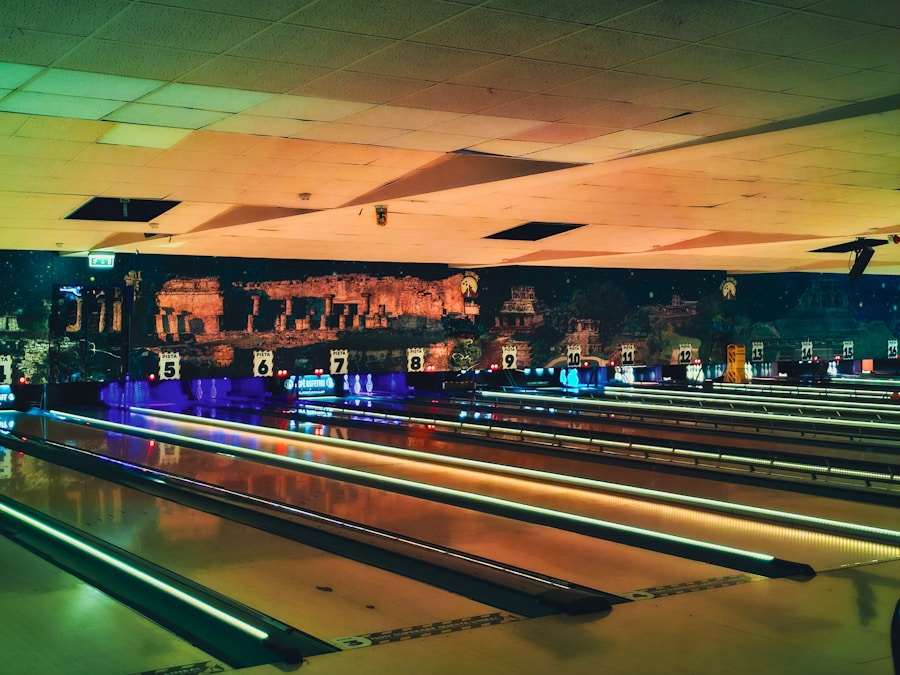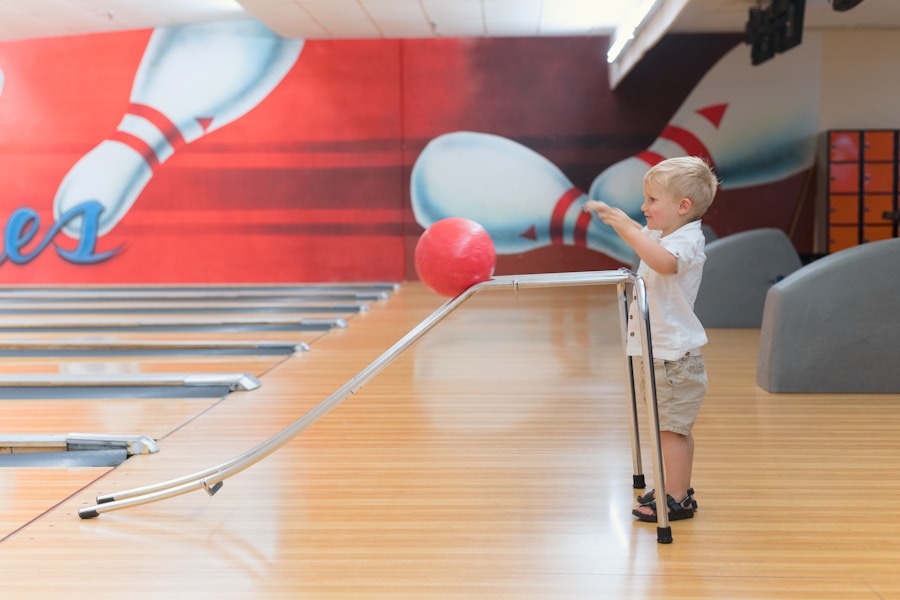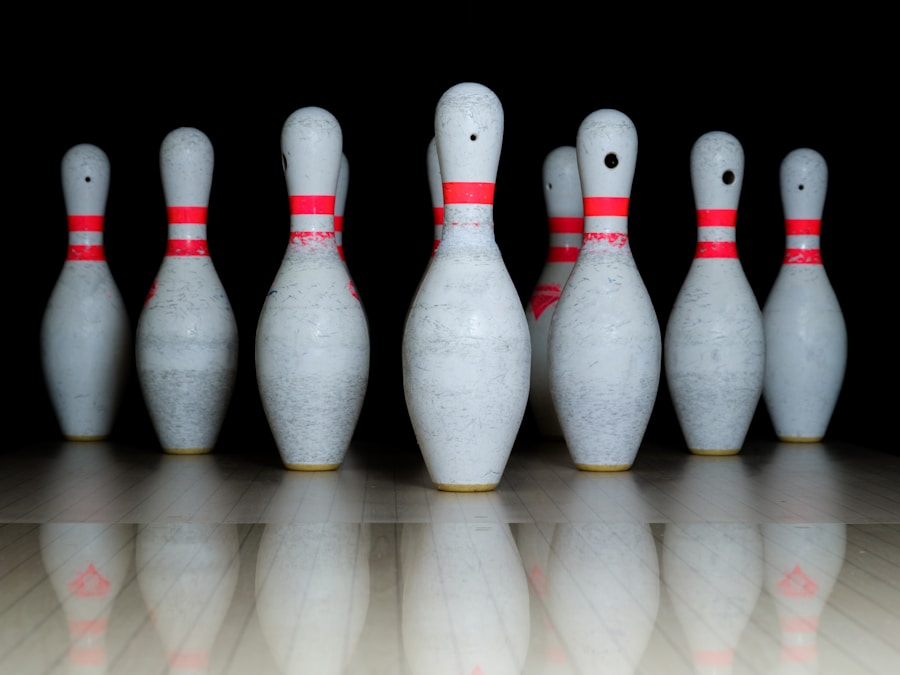
Joining a Bowling League: Everything You Need to Know to Get in the Game

0

Joining a bowling league can be a fun and rewarding experience for individuals of all ages and skill levels. One of the main benefits of joining a bowling league is the opportunity to meet new people and make lasting friendships. Bowling leagues often consist of teams of individuals who come together on a regular basis to compete, socialize, and have fun. This sense of camaraderie and community can be a great way to break out of your comfort zone and expand your social circle.

In addition to the social aspect, joining a bowling league can also help improve your bowling skills. Regular practice and competition can help you become a better bowler, as you learn from others and receive feedback from experienced players. Many leagues also offer coaching and training sessions, which can further enhance your skills and help you reach your full potential as a bowler. Whether you are a beginner or an experienced bowler, joining a league can provide the motivation and support you need to take your game to the next level.

How to Find a Bowling League

If you are interested in joining a bowling league, there are several ways to find one that suits your needs and preferences. One of the easiest ways to find a bowling league is to visit your local bowling alley and inquire about their league offerings. Most bowling alleys have a variety of leagues to choose from, including men's, women's, mixed, and youth leagues. The staff at the bowling alley can provide you with information about the different leagues available, as well as details about league formats, schedules, and registration fees.

Another way to find a bowling league is to search online. Many bowling alleys have websites that list their league offerings, along with contact information for league organizers. You can also use social media and online forums to connect with other bowlers in your area and ask for recommendations on leagues to join. Additionally, you may want to consider reaching out to friends, family members, or coworkers who are avid bowlers, as they may be able to provide you with valuable insights and recommendations for finding a league that is right for you.

Understanding League Formats and Rules

Before joining a bowling league, it is important to understand the different formats and rules that may be in place. Most bowling leagues operate on a weekly basis, with teams competing against each other in a series of games over the course of a season. The most common format for bowling leagues is the traditional "scratch" format, where teams compete based on their total pinfall without any handicap adjustments. However, there are also handicap leagues, where players receive a handicap based on their average scores in order to level the playing field.

In addition to understanding the format of the league, it is important to familiarize yourself with the specific rules and regulations that govern league play. This may include rules regarding scoring, lane etiquette, dress code, and conduct during competition. It is also important to be aware of any fees or dues that may be required for league participation, as well as any additional costs for equipment or uniforms. By understanding the formats and rules of the league you are interested in joining, you can ensure that it is a good fit for your skill level and preferences.

Choosing the Right League for You

When choosing a bowling league to join, it is important to consider several factors in order to find the right fit for your needs and preferences. One of the first things to consider is the skill level of the league. Some leagues are geared towards beginners or casual bowlers, while others may be more competitive and suited for experienced players. It is important to find a league that matches your skill level in order to ensure that you feel comfortable and challenged in your league experience.

Another important factor to consider when choosing a bowling league is the schedule and location. Many leagues meet on a weekly basis, so it is important to find a league that meets at a time and location that is convenient for you. Additionally, you may want to consider the atmosphere and culture of the league, as some leagues may be more focused on socializing and having fun, while others may be more serious and competitive. By considering these factors, you can find a league that aligns with your interests and goals as a bowler.

What to Expect at League Nights

League nights are the highlight of the week for many bowlers, as they provide an opportunity to compete, socialize, and have fun with teammates and opponents. On league nights, teams typically gather at the bowling alley for several hours of competition, which may include multiple games against different opponents. League nights often have a festive atmosphere, with music playing, food and drinks available, and plenty of friendly banter between teams.

In addition to the competition, league nights also provide an opportunity for bowlers to connect with others who share their passion for the sport. Many leagues have traditions or rituals that add to the sense of community and camaraderie, such as team cheers, high-fives, or post-game celebrations. Overall, league nights are a great way to unwind after a long day and enjoy some friendly competition in a supportive and welcoming environment.

Tips for Success in a Bowling League

If you are new to bowling leagues or looking to improve your performance, there are several tips that can help you succeed in your league experience. One of the most important tips for success in a bowling league is to practice regularly in order to improve your skills and consistency. By dedicating time to practice outside of league nights, you can build confidence in your abilities and become a more valuable member of your team.

Another tip for success in a bowling league is to stay positive and maintain a good attitude, regardless of your performance on any given night. Bowling can be a challenging sport, and it is important to approach each game with a mindset of learning and growth. Additionally, it is important to communicate openly with your teammates and support each other through both victories and setbacks. By working together as a team and maintaining a positive attitude, you can create a supportive and enjoyable environment for everyone in the league.

Making the Most of Your Bowling League Experience

In order to make the most of your bowling league experience, it is important to stay engaged and involved both on and off the lanes. One way to enhance your experience is to participate in social events or activities organized by the league, such as fundraisers, banquets, or themed nights. These events provide an opportunity to connect with other bowlers outside of competition and build stronger relationships with your teammates.

Another way to make the most of your bowling league experience is to take advantage of any coaching or training opportunities that may be available through the league. Many leagues offer clinics or workshops led by experienced coaches or players, which can provide valuable insights and tips for improving your game. By seeking out opportunities for learning and growth, you can continue to develop as a bowler and make the most of your time in the league.

In conclusion, joining a bowling league can be a rewarding experience that offers numerous benefits for individuals of all skill levels. By finding the right league for you, understanding the formats and rules, and staying engaged in the community, you can make the most of your bowling league experience and enjoy all that this popular sport has to offer. Whether you are looking to improve your skills, make new friends, or simply have fun in a supportive environment, joining a bowling league can be an excellent way to achieve your goals and enrich your life both on and off the lanes.
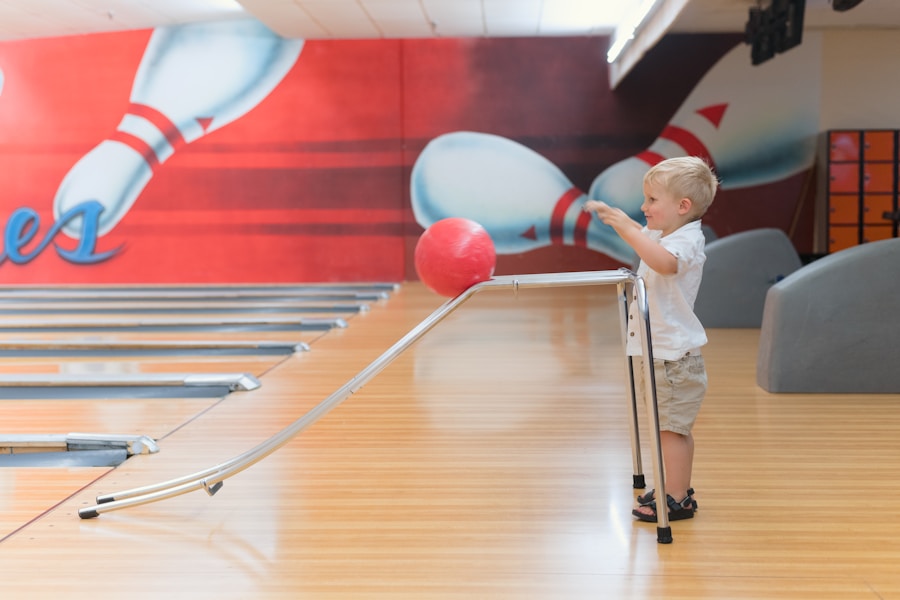
Report This Post

From Pins to Balls: Exploring the Contrasts Between Ten-Pin and Five-Pin Bowling

0

Bowling has been a popular pastime for centuries, with evidence of the game dating back to ancient Egypt. However, the modern version of bowling as we know it today can be traced back to Europe in the 19th century. Ten-pin bowling, the most common form of the game in the United States, has its roots in Germany, where it was known as kegeln. German immigrants brought the game to America, where it evolved into the ten-pin version we know today. Five-pin bowling, on the other hand, has its origins in Canada and is unique to the country. It was developed in 1909 by Thomas F. Ryan in Toronto, Ontario, as a way to make bowling more challenging and to appeal to a wider audience. Both styles of bowling have rich histories and have evolved over time to become popular recreational activities enjoyed by millions of people around the world.

Ten-pin and five-pin bowling have both undergone significant changes and developments since their inception. Ten-pin bowling has become a staple of American culture, with professional leagues, tournaments, and even televised events. Five-pin bowling, on the other hand, has remained largely a Canadian phenomenon, with a strong following in the country but less recognition internationally. Despite their differences in popularity and regional influence, both styles of bowling have a rich history and continue to be enjoyed by people of all ages and backgrounds.

Differences in Equipment and Lane Setup

One of the most noticeable differences between ten-pin and five-pin bowling is the equipment used and the setup of the lanes. In ten-pin bowling, players use a larger, heavier ball with three finger holes for gripping. The pins are arranged in a triangular formation at the end of a long lane, and players have two chances to knock down all ten pins with each frame. In five-pin bowling, players use a smaller, lighter ball without finger holes, and the pins are arranged in a V-shaped formation at the end of a shorter lane. The smaller ball and unique pin setup make five-pin bowling more challenging and require different techniques and strategies than ten-pin bowling.

The lane setup for ten-pin and five-pin bowling also differs significantly. Ten-pin lanes are longer and wider than five-pin lanes, with more space between the foul line and the pins. Additionally, ten-pin lanes are equipped with gutters on either side to catch stray balls, while five-pin lanes do not have gutters, making it more difficult to keep the ball in play. These differences in equipment and lane setup contribute to the unique characteristics of each style of bowling and require players to adapt their skills accordingly.

Variances in Scoring and Rules

The scoring and rules for ten-pin and five-pin bowling also differ in several key ways. In ten-pin bowling, players have ten frames to roll their ball down the lane and knock down as many pins as possible. Strikes (knocking down all ten pins with one roll) and spares (knocking down all ten pins with two rolls) are awarded bonus points, and the maximum score for a game is 300. In five-pin bowling, players have only three rolls per frame to knock down all five pins, with no bonus points awarded for strikes or spares. The maximum score for a game is 450, making it more difficult to achieve a perfect game in five-pin bowling than in ten-pin bowling.

The rules for ten-pin and five-pin bowling also vary in terms of player conduct and etiquette. In ten-pin bowling, players take turns rolling their balls down the lane, with each player completing their frame before the next player begins. In five-pin bowling, players take turns rolling their balls simultaneously, adding an element of competition and urgency to the game. Additionally, there are specific rules and regulations for handling the ball and approaching the foul line in each style of bowling, adding to the unique challenges and nuances of each game.

Techniques and Strategies Unique to Each Style

The differences in equipment, lane setup, scoring, and rules for ten-pin and five-pin bowling require players to develop unique techniques and strategies for each style of the game. In ten-pin bowling, players often use a hook or curve ball technique to generate more power and accuracy when aiming for the pins. This technique involves spinning the ball as it is released, causing it to curve towards the target rather than traveling in a straight line. Additionally, players must carefully consider their positioning on the approach and release of the ball to maximize their chances of knocking down all ten pins.

In five-pin bowling, players must adapt their techniques to accommodate the smaller, lighter ball and unique pin setup. The lack of finger holes on the ball requires players to use a different grip and release technique than in ten-pin bowling. Additionally, the V-shaped pin formation presents a different challenge than the triangular arrangement in ten-pin bowling, requiring players to adjust their aim and angle when rolling the ball down the lane. These unique techniques and strategies make five-pin bowling a distinct and challenging game that requires precision and skill.

The Cultural and Regional Influence on Each Style of Bowling

The cultural and regional influence on ten-pin and five-pin bowling is evident in their popularity and recognition around the world. Ten-pin bowling has become synonymous with American culture, with professional leagues, tournaments, and even collegiate programs dedicated to the sport. The popularity of ten-pin bowling has also spread internationally, with professional leagues and tournaments held in countries around the world. Five-pin bowling, on the other hand, is largely confined to Canada, where it is a beloved pastime with a strong following. While there are some pockets of five-pin bowling enthusiasts outside of Canada, the sport remains largely unknown outside of the country.

The cultural and regional influence on each style of bowling is also reflected in their respective histories and traditions. Ten-pin bowling has a long-standing tradition in America, with iconic venues such as the Professional Bowlers Association (PBA) Tour and historic tournaments like the US Open. Five-pin bowling has its own rich history in Canada, with national championships and prestigious events that have become integral parts of Canadian culture. The cultural significance of each style of bowling has contributed to their continued popularity and recognition within their respective regions.

The Popularity and Accessibility of Ten-Pin and Five-Pin Bowling

The popularity and accessibility of ten-pin and five-pin bowling vary significantly depending on location and regional influence. In America, ten-pin bowling is widely accessible, with numerous bowling alleys and facilities offering leagues, tournaments, and open play for people of all ages and skill levels. The sport has also gained popularity as a recreational activity for families and social gatherings, with many venues offering amenities such as food, drinks, and entertainment alongside their bowling facilities. Five-pin bowling is similarly accessible in Canada, with dedicated facilities offering leagues, tournaments, and open play for enthusiasts across the country.

Outside of their respective regions, however, both styles of bowling face challenges in terms of popularity and accessibility. While ten-pin bowling has gained some recognition internationally through professional leagues and tournaments, it remains less accessible in many parts of the world compared to other sports such as soccer or basketball. Five-pin bowling faces similar challenges outside of Canada, where it is largely unknown or misunderstood by people who are more familiar with ten-pin bowling. Despite these challenges, both styles of bowling continue to be enjoyed by millions of people around the world who appreciate their unique challenges and social aspects.

The Future of Both Ten-Pin and Five-Pin Bowling

The future of both ten-pin and five-pin bowling is influenced by a variety of factors including cultural trends, technological advancements, and changing demographics. In America, ten-pin bowling continues to be popular among people of all ages, with dedicated facilities offering leagues, tournaments, and open play for enthusiasts across the country. The sport has also embraced technological advancements such as automated scoring systems and interactive experiences to attract new players and enhance the overall experience for existing enthusiasts.

In Canada, five-pin bowling faces similar challenges in terms of attracting new players and maintaining its relevance in a rapidly changing world. However, dedicated efforts from organizations such as Bowling Canada have helped promote the sport through initiatives such as youth programs, community events, and national championships. These efforts have helped raise awareness about five-pin bowling among younger generations while preserving its rich history and traditions.

Overall, both styles of bowling continue to be enjoyed by people around the world who appreciate their unique challenges and social aspects. While they may face challenges in terms of popularity and accessibility outside of their respective regions, both ten-pin and five-pin bowling have rich histories and continue to be cherished pastimes for millions of people around the world. As long as there are dedicated enthusiasts who appreciate their unique characteristics and traditions, both styles of bowling will continue to thrive well into the future.

Report This Post

Rolling in Fun: Tips for Finding the Perfect Bowling Alley Near You

0

When it comes to finding a bowling alley, location is key. You want to find a bowling alley that is conveniently located near you, making it easy to access and enjoy. Whether you're looking for a fun night out with friends or a family-friendly activity, having a bowling alley nearby can make all the difference. When searching for a bowling alley near you, consider factors such as proximity to your home or workplace, ease of parking, and accessibility via public transportation. Additionally, look for a bowling alley that is located in a safe and well-lit area, ensuring that you can enjoy your bowling experience without any concerns.

In addition to location, consider the surrounding amenities when choosing a bowling alley. Look for a bowling alley that is located near restaurants, shops, or other entertainment options, allowing you to make the most of your outing. Having access to other activities and dining options can enhance your overall experience and make your trip to the bowling alley even more enjoyable. By taking the time to find a bowling alley that is conveniently located and surrounded by amenities, you can ensure that you have a great time every time you visit.

Family-Friendly Features: What to Look for in a Bowling Alley

When it comes to finding a family-friendly bowling alley, there are several key features to look for. First and foremost, consider the overall atmosphere of the bowling alley. Look for a facility that is clean, well-maintained, and welcoming to bowlers of all ages. A family-friendly bowling alley should have amenities such as bumpers for young children, lightweight balls in various sizes, and comfortable seating for spectators. Additionally, look for a bowling alley that offers family-friendly pricing options, such as discounted rates for children or special family packages.

In addition to amenities, consider the overall vibe of the bowling alley. Look for a facility that is known for its friendly and helpful staff, as well as a positive and inclusive atmosphere. A family-friendly bowling alley should be a place where everyone feels welcome and comfortable, whether they are experienced bowlers or trying it out for the first time. By choosing a bowling alley with family-friendly features, you can ensure that everyone in your group has a great time and creates lasting memories together.

The Perfect Atmosphere: Creating the Ultimate Bowling Experience

When it comes to creating the ultimate bowling experience, the atmosphere of the bowling alley plays a crucial role. Look for a facility that has a vibrant and energetic atmosphere, with upbeat music, colorful lighting, and a lively crowd. The perfect bowling alley should feel like a fun and exciting place to spend time, whether you're there with friends, family, or on your own. Additionally, consider the overall design and layout of the bowling alley. Look for a facility that is well-maintained and visually appealing, with modern equipment and comfortable seating areas.

In addition to the physical atmosphere, consider the overall vibe of the bowling alley. Look for a facility that is known for its friendly and helpful staff, as well as a positive and inclusive atmosphere. A welcoming and inclusive environment can make all the difference in creating an enjoyable bowling experience. By choosing a bowling alley with the perfect atmosphere, you can ensure that every visit is memorable and fun.

Competitive Edge: Finding a Bowling Alley for Serious Bowlers

For serious bowlers looking for a competitive edge, finding the right bowling alley is crucial. Look for a facility that offers top-notch equipment and amenities designed for serious bowlers, such as professional-grade lanes, high-quality balls, and advanced scoring systems. Additionally, consider the overall layout and design of the bowling alley. Look for a facility that is well-maintained and designed with serious bowlers in mind, with ample space for practice and competition.

In addition to equipment and amenities, consider the overall atmosphere of the bowling alley. Look for a facility that is known for its supportive and competitive environment, with opportunities for league play, tournaments, and other competitive events. A bowling alley that caters to serious bowlers should be a place where you can hone your skills, compete against others, and take your game to the next level. By choosing a bowling alley with a competitive edge, you can ensure that you have everything you need to succeed as a serious bowler.

Food and Drink Options: Where to Find the Best Bowling Alley Eats

When it comes to enjoying food and drinks at the bowling alley, finding the right options can make all the difference in your overall experience. Look for a bowling alley that offers a diverse menu of delicious eats, including classic favorites like pizza, burgers, and fries, as well as healthier options such as salads and wraps. Additionally, consider the overall quality of the food and drinks offered at the bowling alley. Look for a facility that takes pride in serving high-quality and fresh food, as well as a variety of beverages including soft drinks, beer, and cocktails.

In addition to food options, consider the overall dining experience at the bowling alley. Look for a facility that offers comfortable seating areas and a welcoming atmosphere where you can relax and enjoy your meal. Whether you're grabbing a quick bite between games or sitting down for a leisurely meal with friends or family, having access to delicious food and drinks can enhance your overall bowling experience. By choosing a bowling alley with great food and drink options, you can ensure that every visit is satisfying and enjoyable.

Special Events and Parties: Hosting a Memorable Bowling Celebration

When it comes to hosting special events and parties at the bowling alley, finding the right venue can make all the difference in creating memorable celebrations. Look for a facility that offers special event packages designed to accommodate groups of all sizes, whether you're planning a birthday party, corporate event, or other special occasion. Additionally, consider the overall amenities offered at the bowling alley for special events. Look for a facility that provides everything you need to host a successful celebration, including private party rooms, catering options, and entertainment extras such as arcade games or laser tag.

In addition to amenities, consider the overall atmosphere of the bowling alley when planning a special event or party. Look for a facility that is known for its friendly and helpful staff, as well as a positive and inclusive atmosphere where everyone feels welcome. Whether you're planning an event for kids or adults, having access to a welcoming and accommodating venue can make all the difference in creating an enjoyable celebration. By choosing a bowling alley with special events and party options, you can ensure that your next celebration is memorable and fun for everyone.

Budget-Friendly Bowling: Tips for Finding Affordable Alley Options

When it comes to finding budget-friendly bowling options, there are several tips to keep in mind. First and foremost, look for bowling alleys that offer special pricing options such as discounted rates for certain days or times of day. Many facilities offer promotions such as "dollar nights" or "happy hour" specials where you can enjoy discounted rates on games or food and drinks. Additionally, consider joining loyalty programs or email lists offered by bowling alleys in your area to receive exclusive discounts and promotions.

In addition to special pricing options, consider bringing your own equipment such as bowling shoes or balls to save on rental fees. Many bowlers prefer to use their own equipment for comfort and performance reasons, so investing in your own gear can save money in the long run. Finally, consider organizing group outings with friends or family members to take advantage of group rates or package deals offered by bowling alleys. By following these tips for finding affordable alley options, you can enjoy budget-friendly bowling outings without sacrificing fun or quality.

Report This Post

Bowling Bonanza: The Top Drills to Improve Your Child’s Game

0

Bowling drills are an essential part of a child's development in the sport. They help to improve various aspects of their game, including flexibility, strength, balance, coordination, and mental focus. By incorporating drills into their practice routine, children can enhance their skills and become more confident and successful bowlers. Additionally, drills provide a structured and systematic approach to learning and mastering the fundamentals of bowling, which is crucial for young athletes who are just starting out in the sport. By practicing drills regularly, children can build a strong foundation for their game and develop good habits that will benefit them throughout their bowling career.

Furthermore, bowling drills can help children to identify and correct any technical flaws in their game. By focusing on specific aspects of their technique, such as footwork, arm swing, and targeting, children can make targeted improvements to their game and become more consistent and accurate bowlers. This can be particularly beneficial for young athletes who are still developing their skills and may be struggling with certain aspects of their game. By practicing drills that target their weaknesses, children can make significant progress and become more well-rounded and proficient bowlers. Overall, bowling drills are an essential tool for children to improve their game and reach their full potential in the sport.

Warm-Up Drills to Improve Flexibility and Strength

Warm-up drills are an important part of a child's bowling practice routine. They help to prepare the body for the physical demands of the sport and reduce the risk of injury during play. Additionally, warm-up drills can improve a child's flexibility and strength, which are crucial for performing well on the lanes. By incorporating dynamic stretching exercises into their warm-up routine, children can improve their range of motion and reduce muscle stiffness, which can help them to bowl with more power and accuracy. Furthermore, warm-up drills can also include strength-building exercises, such as lunges, squats, and push-ups, which can help children to develop the physical strength necessary for a successful bowling game.

In addition to the physical benefits, warm-up drills can also help children to mentally prepare for their game. By focusing on their breathing and visualizing their success on the lanes, children can improve their mental focus and concentration, which are essential for performing well under pressure. Overall, warm-up drills are a crucial part of a child's bowling practice routine and can help them to improve their flexibility, strength, and mental focus, which are all essential for success in the sport.

Footwork Drills to Enhance Balance and Coordination

Footwork drills are an essential part of a child's bowling practice routine. They help to enhance a child's balance and coordination, which are crucial for performing well on the lanes. By practicing footwork drills regularly, children can improve their ability to move smoothly and efficiently on the approach, which can help them to maintain their balance and deliver the ball with more power and accuracy. Additionally, footwork drills can also help children to develop good habits in their approach, such as maintaining a consistent pace and staying in control of their movements, which are essential for a successful bowling game.

Furthermore, footwork drills can also help children to improve their timing and rhythm on the approach. By focusing on the timing of their steps and the coordination of their movements, children can develop a more consistent and reliable approach, which can help them to deliver the ball with more precision and accuracy. This can be particularly beneficial for young athletes who are still developing their skills and may be struggling with their approach. By practicing footwork drills regularly, children can make significant improvements to their game and become more confident and successful bowlers. Overall, footwork drills are an essential tool for children to enhance their balance and coordination on the lanes.

Arm Swing Drills for a Smooth and Consistent Release

Arm swing drills are an important part of a child's bowling practice routine. They help to develop a smooth and consistent release, which is crucial for delivering the ball with power and accuracy. By practicing arm swing drills regularly, children can improve their ability to generate speed and revs on the ball, which can help them to knock down more pins and increase their overall scoring potential. Additionally, arm swing drills can also help children to develop a more consistent release point, which is essential for achieving a reliable ball motion on the lanes.

Furthermore, arm swing drills can also help children to improve their hand position at the release point. By focusing on the position of their hand and wrist during the release, children can develop a more powerful and efficient release, which can help them to generate more pin carry and increase their strike percentage. This can be particularly beneficial for young athletes who are still developing their skills and may be struggling with their release. By practicing arm swing drills regularly, children can make significant improvements to their game and become more confident and successful bowlers. Overall, arm swing drills are an essential tool for children to develop a smooth and consistent release on the lanes.

Targeting Drills to Improve Accuracy and Precision

Targeting drills are an essential part of a child's bowling practice routine. They help to improve a child's accuracy and precision on the lanes, which are crucial for knocking down more pins and increasing their overall scoring potential. By practicing targeting drills regularly, children can develop a better understanding of the lane conditions and how to adjust their line and target based on the oil pattern and pin placement. Additionally, targeting drills can also help children to develop good habits in their alignment and targeting, which are essential for achieving a reliable ball motion on the lanes.

Furthermore, targeting drills can also help children to improve their spare shooting skills. By focusing on specific pin combinations and spare setups, children can develop a more consistent and reliable spare shooting technique, which can help them to increase their spare conversion rate and overall scoring potential. This can be particularly beneficial for young athletes who may struggle with spare shooting and may be leaving too many pins on the lanes. By practicing targeting drills regularly, children can make significant improvements to their game and become more confident and successful bowlers. Overall, targeting drills are an essential tool for children to improve their accuracy and precision on the lanes.

Spare Shooting Drills to Increase Confidence and Success Rate

Spare shooting drills are an important part of a child's bowling practice routine. They help to increase a child's confidence and success rate when shooting spares, which is crucial for maximizing their scoring potential on the lanes. By practicing spare shooting drills regularly, children can develop a more consistent and reliable spare shooting technique, which can help them to increase their spare conversion rate and overall scoring potential. Additionally, spare shooting drills can also help children to develop good habits in their spare setup and targeting, which are essential for achieving a reliable spare shooting technique.

Furthermore, spare shooting drills can also help children to improve their mental focus when shooting spares. By focusing on specific spare combinations and visualizing their success on the lanes, children can improve their mental focus and concentration when shooting spares under pressure. This can be particularly beneficial for young athletes who may struggle with spare shooting and may feel nervous or anxious when faced with difficult spare setups. By practicing spare shooting drills regularly, children can make significant improvements to their game and become more confident and successful bowlers when shooting spares. Overall, spare shooting drills are an essential tool for children to increase their confidence and success rate when shooting spares on the lanes.

Mental Focus Drills to Help Your Child Stay Calm and Focused

Mental focus drills are an essential part of a child's bowling practice routine. They help to improve a child's ability to stay calm and focused under pressure, which is crucial for performing well on the lanes. By practicing mental focus drills regularly, children can develop good habits in managing their emotions and maintaining a positive mindset during competition. Additionally, mental focus drills can also help children to improve their ability to visualize success on the lanes, which is essential for achieving peak performance in the sport.

Furthermore, mental focus drills can also help children to develop strategies for managing distractions during competition. By practicing techniques such as deep breathing or positive self-talk, children can improve their ability to stay focused on the task at hand and block out external distractions that may interfere with their performance on the lanes. This can be particularly beneficial for young athletes who may struggle with nerves or anxiety during competition. By practicing mental focus drills regularly, children can make significant improvements to their game and become more confident and successful bowlers when competing under pressure. Overall, mental focus drills are an essential tool for children to stay calm and focused on the lanes.

In conclusion, bowling drills are an essential part of a child's development in the sport. They help to improve various aspects of their game, including flexibility, strength, balance, coordination, accuracy, precision, spare shooting skills, mental focus, consistency in arm swing release point among others. By incorporating these drills into their practice routine regularly from an early age they will build a strong foundation for their game that will benefit them throughout their bowling career.
In addition, bowling drills also help children to develop good habits and proper technique, which are crucial for preventing injuries and maximizing their potential. These drills provide a structured and systematic approach to learning and mastering the fundamental skills of bowling, setting the stage for continued improvement and success in the sport. Overall, the incorporation of bowling drills into a child's training regimen is a key factor in their overall growth and development as a bowler.

Report This Post

Building a Solid Foundation: Developing a Consistent Bowling Swing

0

Bowling is a sport that requires precision, skill, and technique. One of the most important aspects of the game is the bowling swing. The bowling swing is the motion that a bowler makes when releasing the ball down the lane. It is crucial to have a consistent and smooth swing in order to achieve accuracy and power in your shots. The basic components of a bowling swing include the stance, approach, arm swing, release, and follow through. Understanding these basics is essential for any bowler looking to improve their game.

The bowling swing starts with the stance, which is the position a bowler takes before beginning their approach. A proper stance involves standing with your feet shoulder-width apart, knees slightly bent, and body facing the pins. The next step is the approach, which is the movement a bowler makes towards the foul line before releasing the ball. The approach should be smooth and controlled, with the bowler taking small steps and maintaining their balance throughout. Once the bowler reaches the foul line, they initiate the arm swing, which is the motion of swinging the ball back and then forward in a fluid motion. This is followed by the release, where the bowler lets go of the ball at the right moment to achieve maximum accuracy and power. Finally, the follow through is the continuation of the arm swing after releasing the ball, which helps to maintain balance and control.

Establishing a Proper Stance and Approach

In order to establish a proper stance and approach in bowling, it is important to focus on balance, alignment, and timing. A good stance starts with positioning your feet shoulder-width apart and bending your knees slightly to create a stable base. Your body should be facing the pins, with your non-bowling arm extended for balance. It is important to maintain a relaxed and comfortable stance in order to execute a smooth and controlled approach. The approach involves taking small, controlled steps towards the foul line while maintaining your balance and alignment. It is crucial to keep your eyes on your target and focus on a consistent rhythm and timing throughout your approach.

Another key aspect of establishing a proper stance and approach is finding the right starting position on the approach. This will vary depending on your individual style and preference, but it is important to find a starting position that allows you to maintain balance and control throughout your approach. Some bowlers prefer to start closer to the foul line, while others may start further back to give themselves more room for their approach. Experimenting with different starting positions can help you find what works best for you. Overall, establishing a proper stance and approach in bowling requires focus on balance, alignment, timing, and finding the right starting position that works for you.

Developing a Smooth and Fluid Arm Swing

The arm swing is a crucial component of the bowling motion, as it directly impacts the accuracy and power of your shots. Developing a smooth and fluid arm swing involves proper positioning, timing, and release. The first step in developing a smooth arm swing is finding the right starting position for your arm. This will vary depending on your individual style and preference, but it is important to find a comfortable position that allows for a natural and fluid motion. Your non-bowling arm should be extended for balance, while your bowling arm should be relaxed and positioned comfortably at your side.

Once you have found the right starting position for your arm, it is important to focus on timing and rhythm throughout your swing. The arm swing should be initiated as part of your approach, with your bowling arm swinging back and then forward in a controlled and fluid motion. It is crucial to maintain a consistent rhythm and timing throughout your arm swing in order to achieve accuracy and power in your shots. Finally, the release is an important aspect of developing a smooth arm swing. The release should be timed to coincide with your forward momentum towards the foul line, allowing for maximum power and accuracy in your shots. Developing a smooth and fluid arm swing takes practice and patience, but it is essential for any bowler looking to improve their game.

Maintaining Consistency in Release and Follow Through

Consistency in release and follow through is essential for achieving accuracy and power in your bowling shots. The release is the moment when you let go of the ball, while the follow through is the continuation of your arm swing after releasing the ball. Maintaining consistency in these aspects of your bowling motion requires focus on timing, balance, and control. The release should be timed to coincide with your forward momentum towards the foul line, allowing for maximum power and accuracy in your shots. It is important to release the ball at the right moment in order to achieve a smooth and controlled motion.

The follow through is equally important for maintaining consistency in your bowling shots. A good follow through involves extending your arm towards your target after releasing the ball, allowing for maximum power and accuracy in your shots. It is crucial to maintain balance and control throughout your follow through in order to achieve consistency in your shots. This involves focusing on maintaining a smooth and fluid motion throughout your arm swing, as well as keeping your eyes on your target throughout the entire motion. Overall, maintaining consistency in release and follow through requires focus on timing, balance, control, and maintaining a smooth and fluid motion throughout your entire bowling motion.

Utilizing Proper Timing and Rhythm

Proper timing and rhythm are essential for achieving accuracy and power in your bowling shots. Timing involves coordinating your movements with precision, while rhythm involves maintaining a consistent flow throughout your approach and arm swing. Utilizing proper timing and rhythm requires focus on balance, control, and coordination throughout your entire bowling motion. The first step in utilizing proper timing and rhythm is coordinating your approach with your arm swing. This involves taking small, controlled steps towards the foul line while maintaining a consistent rhythm and timing throughout.

Another key aspect of utilizing proper timing and rhythm is finding a consistent pace that works for you. This will vary depending on your individual style and preference, but it is important to find a pace that allows for a smooth and controlled motion throughout your entire approach and arm swing. It is crucial to maintain a consistent flow throughout your entire bowling motion in order to achieve accuracy and power in your shots. Overall, utilizing proper timing and rhythm requires focus on balance, control, coordination, finding a consistent pace that works for you, and maintaining a smooth and controlled motion throughout your entire bowling motion.

Adjusting for Different Lane Conditions

Bowling lane conditions can vary greatly depending on factors such as oil patterns, humidity, temperature, and wear and tear. Adjusting for different lane conditions requires adaptability, strategy, and skill. One of the most important aspects of adjusting for different lane conditions is understanding how oil patterns can affect ball motion. Oil patterns can greatly impact how a ball reacts as it travels down the lane, so it is important to be aware of how different oil patterns can affect your shots.

Another key aspect of adjusting for different lane conditions is understanding how humidity and temperature can impact ball motion. Humidity can cause lanes to become slicker, while higher temperatures can cause lanes to dry out more quickly. It is important to be aware of these factors when adjusting for different lane conditions in order to make strategic decisions about ball selection, speed, angle of entry into the pocket, and overall strategy.

Practicing and Perfecting Your Bowling Swing

Practicing and perfecting your bowling swing is essential for improving your game and achieving consistency in your shots. This involves focusing on technique, form, timing, rhythm, adaptability, strategy, skill development, mental focus, physical conditioning, equipment selection, lane play strategy, spare shooting proficiency, spare shooting proficiency improvement, spare shooting proficiency improvement improvement improvement improvement improvement improvement improvement improvement improvement improvement improvement improvement improvement improvement improvement improvement improvement improvement improvement improvement improvement improvement improvement improvement improvement improvement improvement improvement improvement improvement improvement improvement improvement improvement improvement improvement improvement improvement improvement improvement improvement improvement improvement improvement improvement improvement improvement improvement improvement improvement improvement improvement improvement improvement improvement improvement improvement improvement improvement improvement improvement

Overall, practicing and perfecting your bowling swing requires dedication, patience, perseverance, adaptability, strategy development development development development development development development development development development development development development development development development development development development development development development development development development development development development development development development development development development development development development development development development development development development development development development development development development development development development development development development development development development development development development development development development development development development development development development development development development development development development development development , and a willingness to learn from both successes and failures. It is important to consistently work on refining your technique, adjusting to different lane conditions, and developing a game plan for various situations. Additionally, seeking feedback from coaches or more experienced bowlers can provide valuable insights for improvement. By staying committed to honing your skills and remaining open to new strategies, you can continue to elevate your bowling game and achieve greater success on the lanes.

Report This Post

Bowling 101: A Guide to Understanding the Most Common Bowling Terms

0

Bowling is a popular sport that has its own unique set of terms and jargon. Understanding these terms is essential for anyone looking to improve their game and become more involved in the bowling community. Some common bowling terms include "strike," which refers to knocking down all ten pins with the first ball in a frame, "spare," which is knocking down all ten pins with two balls in a frame, "gutter ball," which is when the ball goes into the gutter and doesn't hit any pins, and "split," which is when the headpin is left standing with at least two pins on either side of it. Other terms include "turkey," which is three strikes in a row, "frame," which is a player's turn to bowl, and "alley," which is the lane on which the game is played. Understanding these terms will help you communicate with other bowlers and understand the game better.

Bowling also has its own set of hand signals and gestures that are used to communicate with teammates and opponents. For example, a bowler may use a hand signal to indicate that they are going to throw a hook shot, or they may use a gesture to signal that they are going to throw a straight shot. These signals are important for communicating with teammates and can help improve teamwork and coordination on the lanes. Overall, understanding bowling terms and gestures is essential for anyone looking to become more involved in the sport and improve their game.

Understanding Bowling Equipment

Bowling equipment is an essential part of the game and can have a significant impact on a player's performance. The most important piece of equipment is the bowling ball, which comes in a variety of weights, sizes, and materials. The weight of the ball is crucial, as it can affect a player's ability to control the ball and generate power. The size of the finger holes also plays a role in how well a player can grip the ball and release it smoothly. Additionally, the coverstock material of the ball can affect its hook potential and overall performance on the lanes.

In addition to the bowling ball, players also use bowling shoes, which are specially designed to provide traction on the approach and slide smoothly on the lanes. These shoes have a sliding sole on one foot and a traction sole on the other, allowing players to achieve a consistent approach and release. Other equipment includes wrist supports, finger tape, and rosin bags, all of which can help improve a player's grip and control over the ball. Understanding how to select and use bowling equipment is crucial for anyone looking to improve their game and perform at their best on the lanes.

Common Bowling Techniques

Bowling techniques are essential for achieving consistent performance on the lanes and improving overall skill. One common technique is the four-step approach, which involves taking four steps before releasing the ball. This approach helps players achieve a consistent rhythm and timing, leading to more accurate shots. Another technique is the release, which involves releasing the ball with a smooth and controlled motion to generate power and accuracy. The release can be either a straight shot or a hook shot, depending on the player's preference and skill level.

In addition to the approach and release, players also use techniques such as targeting, which involves aiming at specific spots on the lane to achieve optimal pin carry, and adjusting for lane conditions, such as oil patterns and lane topography. Understanding these techniques and practicing them regularly can help players improve their game and achieve better results on the lanes. Overall, mastering common bowling techniques is essential for anyone looking to become a skilled and competitive bowler.

Scoring and Game Play

Scoring in bowling is based on a system of points earned for knocking down pins and achieving certain milestones during a game. Each frame consists of two rolls, with the goal of knocking down all ten pins in as few rolls as possible. A strike is worth ten points plus the total number of pins knocked down in the next two rolls, while a spare is worth ten points plus the total number of pins knocked down in the next roll. A strike or spare in the tenth frame allows for additional rolls to be added to the score.

In addition to scoring, game play involves strategy and decision-making based on lane conditions, player skill level, and opponent performance. Players must adjust their approach, release, and targeting based on these factors to achieve optimal results. Understanding scoring and game play is essential for anyone looking to become a competitive bowler and achieve success on the lanes.

Bowling Etiquette and Rules

Bowling etiquette and rules are important for maintaining a respectful and fair playing environment for all participants. Some common etiquette rules include waiting for your turn to bowl, refraining from distracting or disrupting other players during their turns, and being mindful of your language and behavior on the lanes. Additionally, it's important to be courteous to other players, congratulate them on their successes, and offer support when they face challenges.

In terms of rules, there are specific guidelines for how to conduct oneself during a game, such as not stepping over the foul line when releasing the ball, not using inappropriate language or gestures, and not intentionally disrupting other players' games. Understanding and following these etiquette rules and guidelines is essential for anyone looking to become more involved in the bowling community and create a positive playing environment for all participants.

Types of Bowling Leagues and Tournaments

Bowling leagues and tournaments are popular ways for bowlers to compete against each other and showcase their skills on the lanes. Leagues are typically organized by skill level or age group and consist of teams that compete against each other over a series of weeks or months. Tournaments are one-time events that bring together bowlers from different leagues or regions to compete for prizes and recognition.

Some common types of leagues include scratch leagues, which involve competing without handicaps or adjustments for skill level, handicap leagues, which allow players of different skill levels to compete on an equal playing field, and mixed leagues, which consist of both male and female players on each team. Tournaments can range from local events at individual bowling centers to national or international competitions that attract top bowlers from around the world. Understanding the different types of leagues and tournaments can help bowlers find opportunities to compete and improve their skills on the lanes.

Resources for Improving Your Bowling Game

There are many resources available for bowlers looking to improve their game and become more involved in the sport. One common resource is coaching, which involves working with an experienced bowler or instructor to receive personalized feedback and guidance on technique, strategy, and mental approach. Coaching can help players identify areas for improvement and develop a plan for achieving their goals on the lanes.

Another resource is practice facilities, such as bowling centers or training academies that offer access to lanes, equipment, and coaching services. These facilities provide opportunities for bowlers to practice their skills, participate in leagues or tournaments, and connect with other players in the community. Additionally, there are online resources such as instructional videos, articles, forums, and social media groups that provide tips, advice, and support for bowlers looking to improve their game.

Overall, understanding these resources and taking advantage of them can help bowlers develop their skills, achieve success on the lanes, and become more involved in the bowling community. Whether you're a beginner looking to learn the basics or an experienced player looking to take your game to the next level, these resources can provide valuable support and guidance for your bowling journey.

Report This Post

Spare No More: How to Improve Your Bowling Spare Game and Boost Your Score

0

Spare shooting is a crucial aspect of bowling that is often overlooked by many bowlers. While striking is important for accumulating high scores, spare shooting is equally important for maintaining consistency and minimizing errors. In fact, spare shooting can make or break a game, as missing spares can lead to lower scores and missed opportunities for a comeback. Understanding the importance of spare shooting is essential for any serious bowler who wants to improve their game and achieve better results on the lanes.

Spare shooting is important because it allows bowlers to recover from missed strikes and maintain momentum in their games. By consistently converting spares, bowlers can keep their scores high and put pressure on their opponents. Additionally, spare shooting is a key component of achieving high scores and winning competitions. Without a strong spare shooting game, bowlers may struggle to keep up with their competitors and fall behind in the standings. Therefore, understanding the importance of spare shooting is essential for any bowler who wants to excel in the sport.

Mastering the Art of Spare Conversion

Mastering the art of spare conversion is a skill that requires practice, precision, and focus. To become proficient at converting spares, bowlers must develop a deep understanding of the different spare combinations and the best techniques for picking them up. This involves learning how to adjust their approach, angle, and speed to effectively knock down the remaining pins. Additionally, mastering the art of spare conversion requires mental toughness and the ability to stay calm under pressure, especially in high-stakes situations.

One effective technique for mastering spare conversion is to develop a consistent and repeatable spare shooting routine. This involves finding a comfortable starting position, targeting specific areas on the lane, and executing a consistent release and follow-through. By developing a reliable routine, bowlers can increase their chances of converting spares and build confidence in their ability to pick up difficult pin combinations. Furthermore, mastering the art of spare conversion also involves understanding the importance of spare equipment and making adjustments based on lane conditions and pin placement.

Developing a Consistent Spare Shooting Technique

Developing a consistent spare shooting technique is essential for any bowler who wants to improve their game and achieve better results on the lanes. Consistency is key when it comes to spare shooting, as it allows bowlers to make accurate adjustments and increase their chances of converting spares. To develop a consistent spare shooting technique, bowlers must focus on their approach, release, and follow-through to ensure that they are executing the same motion every time they step up to pick up a spare.

One way to develop a consistent spare shooting technique is to work with a coach or experienced bowler who can provide feedback and guidance. By receiving constructive criticism and making necessary adjustments, bowlers can refine their spare shooting technique and improve their overall performance on the lanes. Additionally, developing a consistent spare shooting technique involves practicing regularly and drilling specific spare combinations to build muscle memory and increase accuracy. By dedicating time and effort to perfecting their spare shooting technique, bowlers can become more confident in their ability to convert spares and achieve better results in competition.

Utilizing Proper Bowling Equipment for Spare Shooting

Utilizing proper bowling equipment is essential for improving spare shooting performance and achieving better results on the lanes. Having the right equipment can make a significant difference in a bowler's ability to pick up spares and maintain consistency throughout a game. One important piece of equipment for spare shooting is the bowling ball, which should be selected based on its weight, coverstock, and drilling layout to optimize performance on different lane conditions and pin combinations.

In addition to the bowling ball, utilizing proper footwear is also crucial for spare shooting success. Bowling shoes with a smooth sole and traction sole can help bowlers maintain balance and stability when approaching the foul line to pick up spares. Furthermore, using accessories such as wrist supports, finger tape, and bowling gloves can also enhance a bowler's ability to execute a consistent spare shooting technique. By utilizing proper bowling equipment, bowlers can improve their spare shooting performance and achieve better results on the lanes.

Mental Game Strategies for Better Spare Shooting

Developing mental game strategies is essential for improving spare shooting performance and achieving better results on the lanes. The mental aspect of bowling plays a significant role in a bowler's ability to stay focused, confident, and composed when picking up spares. One effective mental game strategy for better spare shooting is visualization, which involves mentally rehearsing the process of picking up spares before stepping up to the approach. By visualizing successful spare conversions, bowlers can increase their confidence and improve their ability to execute under pressure.

Another important mental game strategy for better spare shooting is maintaining a positive mindset and staying focused on the present moment. It's easy for bowlers to become frustrated or distracted after missing strikes or spares, but staying positive and focused on the task at hand is crucial for improving spare shooting performance. Additionally, developing a pre-shot routine that includes deep breathing, positive self-talk, and visualization can help bowlers stay calm and composed when picking up spares. By implementing mental game strategies, bowlers can improve their spare shooting performance and achieve better results on the lanes.

Practicing and Drilling for Spare Shooting Improvement

Practicing and drilling specific spare combinations is essential for improving spare shooting performance and achieving better results on the lanes. By dedicating time and effort to practicing spares, bowlers can build muscle memory, increase accuracy, and develop confidence in their ability to pick up difficult pin combinations. One effective way to practice spare shooting is to set up specific pin combinations on the lane and focus on making adjustments to pick them up consistently.

In addition to practicing specific spare combinations, drilling is also important for improving spare shooting performance. Drilling involves working with a coach or experienced bowler to identify weaknesses in spare shooting technique and make necessary adjustments to improve accuracy and consistency. By receiving feedback and guidance from a knowledgeable source, bowlers can refine their spare shooting technique and develop a deeper understanding of how to pick up different pin combinations effectively. By dedicating time and effort to practicing and drilling for spare shooting improvement, bowlers can achieve better results on the lanes.

Analyzing and Adjusting Your Spare Shooting Approach

Analyzing and adjusting your spare shooting approach is essential for improving performance and achieving better results on the lanes. By evaluating your spare shooting technique and making necessary adjustments, you can increase your accuracy, consistency, and confidence when picking up spares. One effective way to analyze your spare shooting approach is to review video footage of your performances and identify areas for improvement in your approach, release, and follow-through.

In addition to analyzing your spare shooting approach, making necessary adjustments based on lane conditions and pin placement is also crucial for improving performance. By understanding how lane conditions affect ball motion and pin carry, you can make informed decisions about where to target specific pin combinations and how to adjust your approach accordingly. Furthermore, working with a coach or experienced bowler can provide valuable insight into how to make necessary adjustments to improve your spare shooting approach. By analyzing and adjusting your spare shooting approach, you can improve your performance on the lanes and achieve better results in competition.

Report This Post

Strike Out: Top Tips for Left-Handed Bowlers to Improve Their Game

0

Left-handed bowling requires a unique set of mechanics that differ from those used by right-handed bowlers. The first step in understanding the mechanics of left-handed bowling is to grasp the basic principles of the sport. Left-handed bowlers must learn to approach the lane from the opposite side as right-handed bowlers, which means they will need to adjust their stance and positioning accordingly. Additionally, left-handed bowlers will need to develop a consistent and effective release that allows them to generate power and accuracy. Understanding the mechanics of left-handed bowling also involves mastering the proper footwork and arm swing to achieve a smooth and fluid delivery. By focusing on these key elements, left-handed bowlers can develop a strong foundation for their game and improve their overall performance on the lanes.

Left-handed bowlers must also pay attention to the subtle nuances of the sport, such as the angle of entry into the pocket and the rotation of the ball. These factors can have a significant impact on the outcome of each shot, so it is important for left-handed bowlers to understand how to manipulate these variables to their advantage. By studying the mechanics of left-handed bowling in depth, bowlers can gain a deeper understanding of the sport and improve their ability to make strategic adjustments during competition. Ultimately, mastering the mechanics of left-handed bowling is essential for achieving consistent and reliable results on the lanes.

Choosing the Right Equipment for Left-Handed Bowlers

Selecting the right equipment is crucial for left-handed bowlers to achieve success on the lanes. One of the most important considerations for left-handed bowlers is choosing a ball that is specifically designed for their dominant hand. Left-handed bowlers should look for a ball with a core and drilling layout that complements their natural release and rotation. Additionally, left-handed bowlers should pay attention to the coverstock of the ball, as different lane conditions may require different levels of friction and hook potential. By choosing the right ball for their game, left-handed bowlers can maximize their performance and improve their overall consistency.

In addition to selecting the right ball, left-handed bowlers must also consider their choice of shoes and accessories. Left-handed bowlers should invest in a high-quality pair of bowling shoes that provide the necessary support and stability for their approach and delivery. It is also important for left-handed bowlers to have access to a variety of accessories, such as wrist supports and finger tape, to help them fine-tune their grip and release. By choosing the right equipment, left-handed bowlers can optimize their performance on the lanes and gain a competitive edge over their opponents.

Perfecting the Approach and Release for Left-Handed Bowlers

Perfecting the approach and release is essential for left-handed bowlers to achieve consistency and accuracy on the lanes. The approach is a critical component of the bowling delivery, as it sets the stage for the entire shot. Left-handed bowlers must develop a smooth and controlled approach that allows them to generate power and momentum as they move towards the foul line. This involves mastering the proper footwork and timing to ensure a balanced and efficient delivery. Additionally, left-handed bowlers must pay attention to their body positioning and alignment to achieve a consistent and repeatable approach.

The release is another key element of left-handed bowling that requires careful attention and practice. Left-handed bowlers must develop a release that allows them to generate the desired rotation and hook on the ball. This involves finding the right balance between power and finesse to achieve maximum pin carry and accuracy. Left-handed bowlers should focus on maintaining a relaxed and fluid wrist action during the release, while also paying attention to their hand position and finger rotation. By perfecting the approach and release, left-handed bowlers can improve their overall performance on the lanes and increase their chances of success in competition.

Adjusting to Lane Conditions as a Left-Handed Bowler

Left-handed bowlers must be able to adapt to a wide range of lane conditions in order to achieve consistent results. Lane conditions can vary significantly from one bowling center to another, as well as throughout the course of a competition. Left-handed bowlers should pay close attention to factors such as oil patterns, lane topography, and environmental conditions in order to make strategic adjustments to their game. This may involve changing equipment, altering their approach and release, or making subtle changes to their targeting and ball speed.

One of the key challenges for left-handed bowlers is navigating oil patterns that have been heavily impacted by right-handed bowlers. This can result in significant breakdown on certain parts of the lane, which may require left-handed bowlers to make strategic adjustments to their line and targeting. Left-handed bowlers should also be prepared to adapt to changing lane conditions throughout a competition, as factors such as temperature and humidity can have a significant impact on ball reaction. By developing a keen awareness of lane conditions and making proactive adjustments, left-handed bowlers can improve their ability to perform at a high level in any environment.

Developing a Consistent and Effective Hook as a Left-Handed Bowler

Developing a consistent and effective hook is essential for left-handed bowlers to maximize their pin carry and scoring potential. The hook is a critical component of the bowling delivery that allows bowlers to generate angular entry into the pocket, increasing their chances of striking. Left-handed bowlers must focus on developing a hook that complements their natural release and rotation, while also providing the necessary control and predictability. This involves finding the right balance between rev rate, axis tilt, and ball speed to achieve the desired ball reaction.

Left-handed bowlers should also pay attention to factors such as ball surface preparation and lane conditions when developing their hook. Different coverstocks and surface textures can have a significant impact on hook potential, so it is important for left-handed bowlers to experiment with different options in order to find the best fit for their game. Additionally, left-handed bowlers must be able to make strategic adjustments to their hook based on changing lane conditions, such as transitioning oil patterns or varying topography. By developing a consistent and effective hook, left-handed bowlers can increase their scoring potential and improve their overall performance on the lanes.

Strategies for Left-Handed Bowlers to Improve Their Spare Shooting

Improving spare shooting is essential for left-handed bowlers to maximize their scoring potential and minimize open frames. Spare shooting requires a different set of skills than striking, as it often involves targeting specific pins with precision and accuracy. Left-handed bowlers must develop a reliable spare system that allows them to consistently convert single-pin spares as well as more challenging multi-pin combinations. This may involve using different targeting techniques, adjusting ball speed, or making subtle changes to hand position in order to achieve optimal pin carry.

One effective strategy for left-handed bowlers to improve their spare shooting is to develop a spare system that provides clear targeting references for different pin configurations. This may involve using specific arrows or boards on the lane as reference points for targeting different spare combinations. Additionally, left-handed bowlers should focus on developing a consistent release that allows them to achieve predictable ball motion when shooting spares. By practicing spare shooting regularly and developing a reliable system for targeting different spare combinations, left-handed bowlers can increase their spare conversion percentage and improve their overall scoring potential.

Mental and Physical Preparation for Left-Handed Bowlers to Excel in Competition

Exceling in competition requires both mental and physical preparation for left-handed bowlers. Mental preparation involves developing a strong mindset that allows bowlers to stay focused, confident, and resilient in high-pressure situations. Left-handed bowlers should work on developing mental strategies such as visualization, positive self-talk, and pre-shot routines in order to maintain composure and perform at a high level during competition. Additionally, left-handed bowlers should focus on developing mental toughness that allows them to overcome adversity and stay focused on their goals.

Physical preparation is also essential for left-handed bowlers to excel in competition. This involves maintaining a high level of physical fitness in order to optimize strength, flexibility, and endurance on the lanes. Left-handed bowlers should focus on developing a training regimen that includes exercises specifically designed to improve bowling-related skills such as balance, core strength, and arm swing mechanics. Additionally, left-handed bowlers should pay attention to factors such as nutrition, hydration, and recovery in order to maintain peak physical condition during competition. By focusing on both mental and physical preparation, left-handed bowlers can increase their chances of success in competition and achieve their full potential on the lanes.

In conclusion, left-handed bowling requires a unique set of skills and strategies in order to achieve success on the lanes. By understanding the mechanics of left-handed bowling, choosing the right equipment, perfecting the approach and release, adjusting to lane conditions, developing a consistent hook, improving spare shooting, and focusing on mental and physical preparation, left-handed bowlers can maximize their performance and excel in competition. With dedication, practice, and strategic planning, left-handed bowlers can achieve consistent results and reach new levels of success in the sport of bowling.

Report This Post

The Art of Adaptation: Navigating Bowling Lane Conditions

0

Bowling lane conditions play a crucial role in the game of bowling. The condition of the lane can greatly affect the way the ball behaves, and ultimately, the outcome of the game. There are various factors that contribute to the lane conditions, such as the oil pattern, the amount of oil applied to the lane, and the wear and tear of the lane surface. Understanding these factors is essential for any serious bowler.

The oil pattern on the lane is perhaps the most important factor in determining the lane conditions. The oil pattern refers to the specific way in which the oil is applied to the lane. Different oil patterns can create different challenges for bowlers, as they affect the way the ball reacts to the surface. For example, a longer oil pattern will allow the ball to skid further down the lane before hooking, while a shorter oil pattern will cause the ball to hook earlier. Additionally, the amount of oil applied to the lane can also affect the lane conditions. A heavier application of oil will create more friction, while a lighter application will create less friction. Finally, the wear and tear of the lane surface can also impact the lane conditions. As the lane surface becomes more worn, it can become more unpredictable, making it more difficult for bowlers to adjust their game.

Understanding these factors and how they interact with each other is crucial for any serious bowler. By understanding the oil pattern, the amount of oil applied to the lane, and the wear and tear of the lane surface, bowlers can better anticipate how their ball will behave and make adjustments accordingly.

Adjusting Your Approach and Delivery

Once a bowler understands the lane conditions, they must then be able to adjust their approach and delivery accordingly. This involves making changes to their stance, footwork, and release in order to accommodate for the specific challenges presented by the lane conditions.

One of the most common adjustments that bowlers make is to their stance and footwork. If the lane conditions are particularly dry, for example, a bowler may need to move their starting position further to the left or right in order to find a better angle to the pocket. Additionally, they may need to adjust their footwork in order to compensate for the lack of friction on the lane. Similarly, if the lane conditions are particularly oily, a bowler may need to move their starting position closer to the center in order to avoid sliding too far down the lane.

In addition to adjusting their stance and footwork, bowlers may also need to make changes to their release in order to accommodate for the lane conditions. For example, if the lane conditions are particularly dry, a bowler may need to release the ball with more speed in order to prevent it from hooking too early. Conversely, if the lane conditions are particularly oily, a bowler may need to release the ball with less speed in order to allow it to hook more aggressively.

Utilizing Different Bowling Balls

Another important aspect of adapting to different lane conditions is utilizing different bowling balls. Different bowling balls are designed to react differently to different lane conditions, and having a variety of balls in your arsenal can greatly improve your ability to adapt.

One of the most important factors to consider when choosing a bowling ball is its coverstock. The coverstock refers to the outer shell of the ball, and different coverstocks are designed to create different reactions on the lane. For example, a ball with a pearl coverstock is designed to skid further down the lane before hooking, making it ideal for drier lane conditions. Conversely, a ball with a solid coverstock is designed to create more friction with the lane, making it ideal for oilier lane conditions.

In addition to considering coverstock, bowlers should also consider the weight block of the ball when choosing which ball to use. The weight block refers to the core of the ball, and different weight blocks are designed to create different reactions on the lane. For example, a ball with a high RG (radius of gyration) weight block is designed to retain energy for longer periods of time, making it ideal for drier lane conditions. Conversely, a ball with a low RG weight block is designed to rev up quickly, making it ideal for oilier lane conditions.

By utilizing different bowling balls with different coverstocks and weight blocks, bowlers can better adapt to different lane conditions and improve their overall performance.

Reading Lane Patterns and Oil Distribution

In addition to understanding and adjusting for different lane conditions, it is also important for bowlers to be able to read and understand specific lane patterns and oil distribution. This involves being able to identify where on the lane there is more or less oil, as well as how that affects ball reaction.

One way that bowlers can read lane patterns and oil distribution is by observing how their ball reacts as it travels down the lane. If a ball hooks earlier than expected or skids further than anticipated, this can be an indication of where there is more or less oil on the lane. By paying attention to these reactions, bowlers can better understand how to adjust their approach and delivery in order to accommodate for these variations in oil distribution.

Another way that bowlers can read lane patterns and oil distribution is by observing how other bowlers’ balls react on the lane. By watching other bowlers’ shots and paying attention to how their balls react, bowlers can gain valuable insights into where there is more or less oil on the lane. This can help them make more informed decisions about how to adjust their own game in order to better accommodate for these variations in oil distribution.

By being able to read and understand specific lane patterns and oil distribution, bowlers can better anticipate how their ball will behave and make adjustments accordingly.

Adapting to Changing Lane Conditions

One of the biggest challenges that bowlers face is adapting to changing lane conditions. As games progress and more balls are thrown down the lane, the oil pattern can change, creating new challenges for bowlers. Being able to adapt to these changing conditions is crucial for success in bowling.

One way that bowlers can adapt to changing lane conditions is by being observant and paying attention to how their ball reacts as they bowl. By being aware of any changes in how their ball behaves, bowlers can make quick adjustments in order to accommodate for these changes in lane conditions.

Another way that bowlers can adapt to changing lane conditions is by being flexible and willing to make changes to their approach and delivery as needed. This may involve moving their starting position, adjusting their footwork, or changing their release in order to better accommodate for any changes in oil distribution on the lane.

By being able to adapt quickly and effectively to changing lane conditions, bowlers can improve their overall performance and increase their chances of success on the lanes.

Tips for Consistency in Different Environments

Consistency is key in bowling, and being able to maintain a consistent performance in different environments is crucial for success. Whether you are bowling in a league setting or competing in tournaments in different bowling alleys, there are several tips that can help you maintain consistency in different environments.

One tip for consistency in different environments is to focus on your fundamentals. This includes maintaining a consistent stance, footwork, and release regardless of where you are bowling. By focusing on your fundamentals and making sure that they remain consistent across different environments, you can improve your overall performance and increase your chances of success.

Another tip for consistency in different environments is to practice regularly in different alleys. By practicing in different environments, you can become more familiar with how your ball reacts on different lanes and better anticipate how it will behave in various situations. This can help you make quicker adjustments and improve your overall performance in different environments.

By focusing on your fundamentals and practicing regularly in different environments, you can improve your consistency and increase your chances of success in any bowling setting.

The Mental Game of Adaptation

Finally, it is important for bowlers to understand that adaptation is not just a physical skill, but also a mental one. Being able to adapt effectively requires mental strength and resilience in addition to physical skill.

One aspect of the mental game of adaptation is being able to stay focused and maintain a positive mindset regardless of the challenges presented by changing lane conditions. This involves being able to stay calm under pressure and not letting frustration or anxiety affect your performance.

Another aspect of the mental game of adaptation is being able to stay flexible and open-minded when it comes to making adjustments. This involves being willing to try new approaches and make changes as needed in order to better accommodate for changing lane conditions.

By developing mental strength and resilience, bowlers can improve their ability to adapt effectively and increase their chances of success on the lanes.

In conclusion, understanding bowling lane conditions, adjusting your approach and delivery, utilizing different bowling balls, reading lane patterns and oil distribution, adapting to changing lane conditions, tips for consistency in different environments, and understanding the mental game of adaptation are all crucial aspects of being successful in bowling. By developing these skills and understanding these concepts, bowlers can improve their overall performance and increase their chances of success on the lanes.

Report This Post

Bowling Without the Pain: How to Prevent Common Injuries on the Lanes

0

Proper technique is essential in any physical activity, especially when it comes to exercise and sports. Using the correct form and movement patterns not only maximizes the effectiveness of the workout, but also minimizes the risk of injury. Whether you are lifting weights, running, or playing a sport, using proper technique ensures that you are engaging the right muscles and joints, and not putting unnecessary strain on your body. For example, in weightlifting, using the correct form for exercises such as squats and deadlifts can prevent back injuries and promote muscle growth. In running, maintaining proper posture and foot strike can prevent overuse injuries and improve performance. In sports such as basketball or tennis, using proper technique for movements like jumping and serving can prevent sprains and strains. Overall, proper technique is crucial for both maximizing performance and preventing injury in any physical activity.

Furthermore, using proper technique can also lead to better long-term results. By engaging the correct muscles and joints, you can ensure that you are targeting the intended areas for improvement. This can lead to better muscle development, improved endurance, and overall better physical fitness. On the other hand, using improper technique can lead to imbalances in muscle development, decreased performance, and increased risk of injury. Therefore, it is important to prioritize proper technique in any physical activity to ensure both short-term safety and long-term success.

Choosing the Right Equipment

Selecting the right equipment is crucial for ensuring a safe and effective workout or sports performance. Whether it's choosing the right running shoes, selecting the appropriate weightlifting gear, or picking the right sports equipment, having the proper gear can make a significant difference in your performance and safety. For example, when it comes to running shoes, it's important to choose a pair that provides adequate support and cushioning for your specific foot type and running style. This can help prevent injuries such as shin splints, plantar fasciitis, and stress fractures. In weightlifting, using the right equipment such as lifting belts, wrist wraps, and proper footwear can provide support and stability during heavy lifts, reducing the risk of injury. When it comes to sports equipment, such as helmets, pads, and protective gear, choosing the right size and fit is essential for preventing injuries during contact sports.

Moreover, selecting the right equipment can also enhance your performance. For example, using a high-quality tennis racket with the right grip size and string tension can improve your control and power on the court. Similarly, using a properly fitted bike with the right gear ratios can enhance your cycling performance and reduce the risk of overuse injuries. Overall, choosing the right equipment is essential for both safety and performance in any physical activity.

Warming Up and Stretching

Warming up and stretching are essential components of any physical activity or exercise routine. A proper warm-up prepares the body for more intense physical activity by increasing blood flow to the muscles, raising body temperature, and improving flexibility. This can help prevent injuries such as muscle strains, ligament sprains, and joint injuries during exercise or sports. A good warm-up should include light aerobic activity such as jogging or cycling, followed by dynamic stretching exercises that mimic the movements of the upcoming workout or sport. This helps prepare the muscles and joints for the specific movements they will be performing.

In addition to warming up, stretching is also important for maintaining flexibility and preventing injuries. Static stretching exercises after a workout or sports activity can help improve flexibility and reduce muscle tightness. This can help prevent muscle imbalances, improve posture, and reduce the risk of overuse injuries over time. It's important to stretch all major muscle groups, including the hamstrings, quadriceps, calves, chest, back, and shoulders. Incorporating regular stretching into your exercise routine can also improve overall mobility and range of motion, leading to better performance in various physical activities.

Maintaining Physical Fitness

Maintaining physical fitness is crucial for overall health and well-being. Regular exercise not only helps improve cardiovascular health, muscular strength, and endurance but also reduces the risk of chronic diseases such as heart disease, diabetes, and obesity. Engaging in regular physical activity also promotes mental well-being by reducing stress, anxiety, and depression. It's important to incorporate a variety of exercises into your fitness routine to target different muscle groups and energy systems. This can include cardiovascular exercises such as running, cycling, or swimming, as well as strength training exercises using weights or resistance bands.

In addition to regular exercise, maintaining physical fitness also involves paying attention to nutrition and hydration. Consuming a balanced diet that includes a variety of fruits, vegetables, lean proteins, and whole grains provides essential nutrients for energy production and muscle recovery. Staying hydrated by drinking an adequate amount of water throughout the day is also important for maintaining physical fitness. Proper hydration supports optimal performance during exercise and helps regulate body temperature.

Avoiding Overexertion

Overexertion occurs when you push your body beyond its limits during physical activity or exercise. This can lead to fatigue, muscle soreness, decreased performance, and an increased risk of injury. It's important to listen to your body's signals and avoid overexertion by pacing yourself during workouts or sports activities. This may involve taking breaks when needed, reducing the intensity or duration of exercise when feeling fatigued, or adjusting your training schedule to allow for adequate rest and recovery.

Furthermore, overexertion can also occur when you increase the intensity or duration of exercise too quickly without allowing your body to adapt. This can lead to overuse injuries such as tendinitis, stress fractures, or muscle strains. It's important to gradually progress your workouts by increasing intensity or duration no more than 10% per week to allow your body to adapt to the increased demands.

Taking Breaks and Resting

Taking breaks and allowing for adequate rest is essential for preventing overuse injuries and promoting recovery after intense physical activity. Rest days are important for allowing muscles to repair and rebuild after workouts or sports activities. This helps prevent overtraining syndrome, which can lead to decreased performance, fatigue, mood disturbances, and an increased risk of injury.

In addition to rest days, taking breaks during workouts or sports activities is important for preventing overexertion and fatigue. This may involve incorporating rest intervals into high-intensity interval training (HIIT) workouts or taking short breaks during long runs or bike rides. Listening to your body's signals of fatigue and taking breaks when needed can help prevent overexertion and reduce the risk of injury.

Seeking Professional Help if Injured

If you do experience an injury during exercise or sports activities, it's important to seek professional help from a healthcare provider such as a doctor or physical therapist. Ignoring an injury or trying to push through pain can lead to further damage and prolonged recovery time. A healthcare provider can assess the extent of the injury, provide a diagnosis, and recommend appropriate treatment options such as rest, physical therapy, or rehabilitation exercises.

In some cases, seeking professional help may also involve consulting with a sports medicine specialist or orthopedic surgeon for more serious injuries such as ligament tears or fractures. These specialists can provide advanced diagnostic imaging such as MRI scans or X-rays to assess the extent of the injury and recommend appropriate treatment options such as surgery or bracing.

In conclusion, prioritizing proper technique, choosing the right equipment, warming up and stretching, maintaining physical fitness, avoiding overexertion, taking breaks and resting when needed, and seeking professional help if injured are all essential components of preventing injuries during exercise or sports activities. By incorporating these strategies into your fitness routine or sports training program, you can minimize the risk of injury and promote long-term physical well-being. Remember that safety should always be a top priority when engaging in any physical activity or sport.

Report This Post

Report This Blog