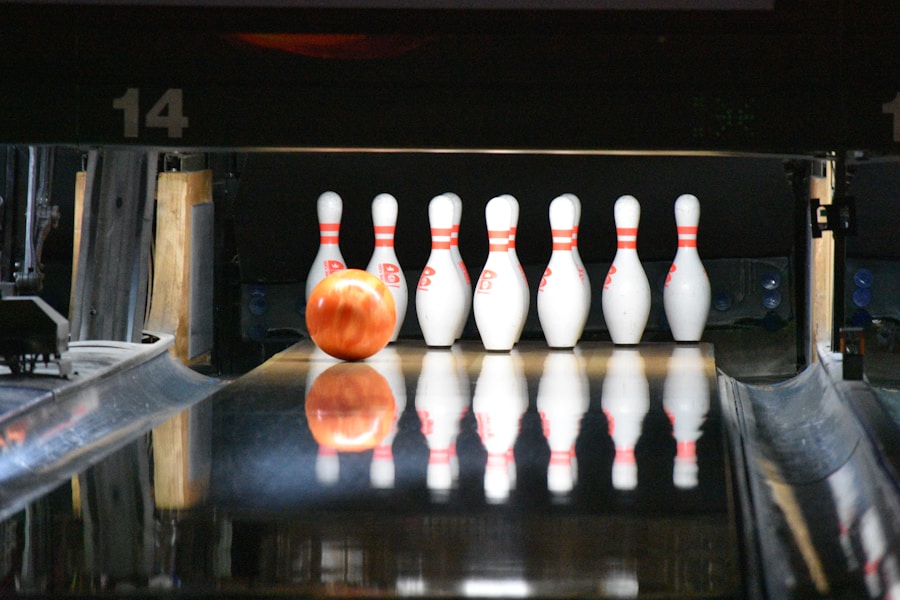
Bowling is a sport that requires precision, consistency, and a fundamental understanding of its mechanics. At the heart of consistent bowling lies effective timing. Timing is the synchronized execution of a bowler's approach, arm swing, and release. When these elements work in harmony, the result is a smooth, powerful delivery that maximizes pin fall. Poor timing, conversely, can lead to errant shots, reduced power, and decreased accuracy. This article will explore the intricacies of bowling timing, offering practical tips and techniques to help bowlers of all skill levels improve their game.
Understanding the Fundamentals of Timing
Effective bowling timing is akin to a well-oiled machine, where each component moves in perfect concert with the others. It's not merely about speed or strength, but about coordinated movement. The goal is to initiate the ball swing and the first step of the approach simultaneously, and to ensure the ball reaches its lowest point in the swing as the slide foot plants at the foul line.
The Kinematics of the Approach
The approach is the sequence of steps a bowler takes before releasing the ball. Most bowlers utilize a four- or five-step approach. Each step serves a specific purpose in building momentum and setting up the release.
- Four-Step Approach: This is common for many bowlers.
- Step 1 (Pushaway): The ball is pushed away from the body as the first step is taken. This initiates the backswing.
- Step 2 (Backswing Development): The ball continues its ascent in the backswing while the bowler maintains balance.
- Step 3 (Peak Backswing): The ball reaches the apex of the backswing. The bowler prepares for the downswing.
- Step 4 (Slide and Release): The bowler slides into the foul line as the ball descends and is released.
- Five-Step Approach: This provides additional momentum and is often favored by bowlers seeking more power.
- Step 1 (Initial Movement): A short lead step, often used to establish rhythm.
- Step 2 (Pushaway): Similar to the first step in a four-step approach.
- Step 3 (Backswing Development): The ball begins its upward trajectory.
- Step 4 (Peak Backswing): The ball reaches its highest point in the backswing.
- Step 5 (Slide and Release): The final step and the release of the ball.
Regardless of the number of steps, the critical element is the synchronization between the steps and the arm swing. Imagine your approach and arm swing as two gears in a mechanism; they must mesh perfectly for optimal function.
The Role of Arm Swing
The arm swing in bowling is a pendulum-like motion. It should be free, relaxed, and consistent. A forced or restricted arm swing can disrupt timing and reduce power. The timing of the arm swing directly correlates with the timing of the approach.
- Free-Flowing Motion: Avoid muscling the ball. Let gravity and the momentum of the approach govern the swing.
- Consistent Arc: Strive for a repeatable arc in your swing. This consistency aids in timing and accuracy.
- Synchronization with Steps: The pushaway should coincide with the first step, and the lowest point of the downswing should align with the slide at the foul line.
Identifying and Correcting Timing Issues
Many common bowling problems stem from timing discrepancies. Understanding how to diagnose and rectify these issues is crucial for improvement.
Recognizing Early Timing
Early timing, also known as "fast timing," occurs when the arm swing is ahead of the footwork. This can manifest in several ways:
- Short Backswing: The ball does not reach its full potential height in the backswing, leading to a loss of power.
- Rushing the Delivery: The bowler feels rushed at the foul line, leading to an uncontrolled release.
- Loss of Balance: The body is out of sync, making it difficult to maintain stability during the slide and release.
- Early Ball Drop: The ball is released before the body is properly set, resulting in an inconsistent trajectory.
To correct early timing, you need to slow down your arm swing relative to your footwork. Consider the following:
- Delayed Pushaway: Wait a fraction of a second longer before initiating the pushaway. This allows your feet to get a head start.
- Slower Arm Swing Tempo: Consciously try to make your arm swing more deliberate and less hurried.
- Focus on Footwork First: Prioritize the rhythm and pace of your steps, letting the arm swing naturally follow.
Recognizing Late Timing
Late timing, or "slow timing," happens when the arm swing lags behind the footwork. This can lead to:
- Extended Pushaway: The ball is held out too long before the backswing begins, often causing a "clunky" feel.
- Jerky Arm Swing: The bowler may try to rush the arm swing to catch up with the footwork, resulting in a forced motion.
- Standing Tall at the Foul Line: The bowler is upright at the foul line because the arm hasn't completed its swing, hindering leverage.
- Dropping the Ball Early: Paradoxically, a late arm swing can cause the ball to be dropped rather than released, as the body is past the ideal release point.
To correct late timing, you need to speed up your arm swing or slow down your footwork. Strategies include:
- Earlier Pushaway: Initiate the pushaway sooner in your approach, perhaps even before your first step fully lands.
- Quicker Arm Swing Initiation: Start your arm swing more promptly after the pushaway.
- Focus on Arm Swing Rhythm: Concentrate on the smooth, continuous motion of your arm, letting your steps adjust.
- Shorten Your Steps: Take slightly shorter steps in your approach to give your arm more time to catch up.
Drills and Exercises for Improving Timing
Consistent practice with specific drills can significantly enhance your timing. These exercises isolate different aspects of the bowling motion, allowing for focused improvement.
The One-Step Drill
This drill emphasizes the synchronization of the slide, arm swing, and release. It helps you feel the proper timing at the foul line.
- Execution: Stand at the foul line with your non-slide foot slightly forward. Push the ball away and take one slide step directly into your release. Focus on a smooth, controlled motion.
- Purpose: Reinforces the feeling of the ball reaching the lowest point of the swing as the slide foot plants. It builds muscle memory for the critical final moments of the delivery.
The No-Step Drill (Foul Line Release)
This drill focuses exclusively on the arm swing and release, eliminating the complexity of the approach.
- Execution: Stand stationary at the foul line. Execute your full arm swing and release the ball. Pay attention to a smooth, unforced swing.
- Purpose: Isolates the arm swing, allowing you to develop a consistent pendulum motion free from approach distractions. It's a barometer for identifying issues within the swing itself.
The Foul Line Freeze Drill
This drill helps to identify if you are adequately balanced and positioned at the foul line.
- Execution: Perform your full approach and, immediately after releasing the ball, "freeze" in your follow-through position. Hold this pose for a few seconds.
- Purpose: If you find yourself off-balance or unable to hold the position, it indicates a timing or balance issue in your approach or release. Your body should be stable and square to your target.
The Rhythm Walk
This drill focuses on the cadence of your footwork independent of the ball.
- Execution: Walk your approach rhythmically without a bowling ball. Count your steps and focus on maintaining a consistent tempo.
- Purpose: Establishes a natural and repeatable rhythm for your footwork. Once this rhythm is ingrained, integrating the arm swing becomes easier.
Visualizing the Pendulum
Imagine your arm swing as a pendulum. Observe actual pendulums or visualize them.
- Execution: Before going to the lanes, sit or stand and simply imagine your arm moving freely like a pendulum. Focus on the start, the arc, and the natural endpoint of the swing.
- Purpose: Develops a mental model of a smooth, unforced arm swing. This mental rehearsal can translate into improved physical execution.
Advanced Timing Considerations
Once the fundamental timing issues are addressed, bowlers can explore advanced techniques to fine-tune their delivery.
Matching Ball Speed with Rev Rate
Timing not only influences the power of your shot but also the effectiveness of your ball's hook. The release dictates the rev rate (revolutions per minute) on the ball, while your approach contributes significantly to ball speed.
- Synchronization: For optimal pin carry, the speed of the ball entering the pins should be proportional to its rev rate. If the ball is too fast for its rev rate, it may skid too far. If it's too slow for its rev rate, it may hook too early and "burn up" its energy.
- Adjusting for Lane Conditions: Understanding your timing allows you to adjust both speed and rev rate based on lane conditions (e.g., oil patterns). A slight adjustment to your timing can alter your leverage on the ball, influencing rev rate, and your approach can be modified to increase or decrease speed.
Optimizing Leverage at the Foul Line
Proper timing ensures that you are in the ideal position to apply leverage to the ball at the release point.
- Knee Bend: Adequate knee bend is crucial. With good timing, your knees will be bent, allowing you to get low to the lane and project the ball effectively.
- Shoulder Tilt: Your shoulders should be tilted, with your bowling shoulder lower than your non-bowling shoulder. This creates space for the arm swing and promotes a strong release.
- Head Position: Keep your head still and focused on your target. Excessive head movement can disrupt balance and timing.
The Importance of Follow-Through
While timing primarily concerns the approach and release, the follow-through is the natural extension of a well-timed delivery.
- Consistent Finish: A consistent follow-through indicates a balanced and controlled release. The hand should finish high, above the shoulder, or even higher, depending on the desired ball motion.
- Feedback Mechanism: An inconsistent or truncated follow-through can be a sign of underlying timing issues or a rushed release. It's a feedback mechanism for your entire delivery.
Good timing in bowling is not an innate talent but a skill developed through deliberate practice and thoughtful analysis. It is the cornerstone of a consistent, powerful, and accurate shot. By understanding the principles of synchronization, identifying and correcting timing faults, and diligently practicing targeted drills, bowlers can significantly enhance their performance on the lanes. Remember, your bowling delivery is a connected movement; when all components are timed correctly, the result is both aesthetically pleasing and numerically effective. Approach your timing adjustments systematically, and you will observe a palpable improvement in your game.