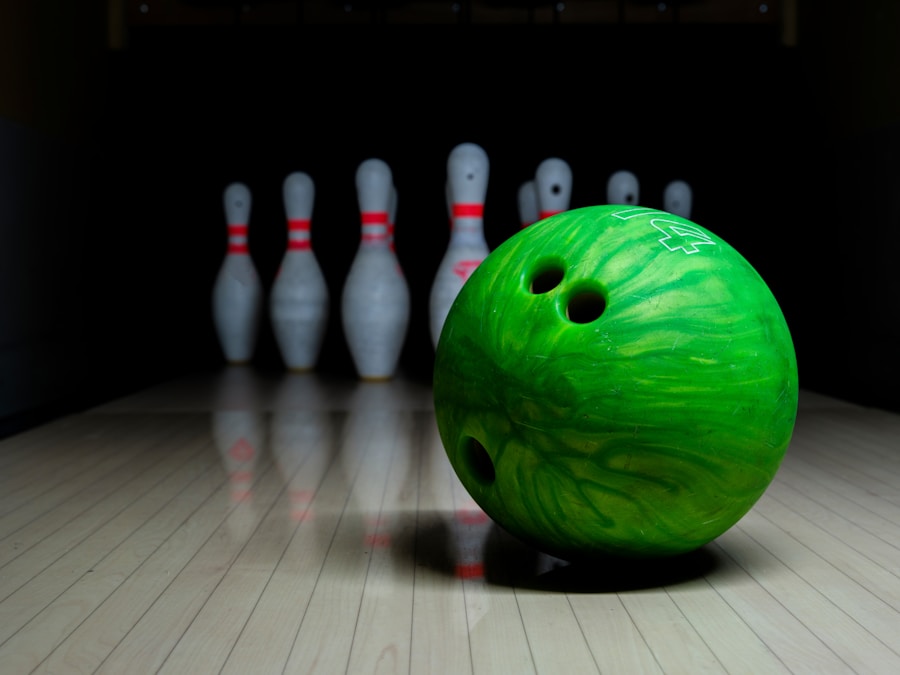
Navigating the polished wooden expanse of a bowling lane can feel like stepping onto a carefully timed stage. To ensure your performance is met with respect rather than rolled eyes, understanding and adhering to bowling lane etiquette is crucial. This guide will equip you with the knowledge to avoid common faux pas and be a considerate participant in the game, making it more enjoyable for everyone involved.
Understanding the Bowling Lane's Flow
The bowling alley, at its core, operates on a system of shared space and respect for turn order. Disregarding this fundamental principle is arguably the most disruptive faux pas a bowler can commit. Imagine a well-oiled machine; each part has its role and timing. When you disrupt that rhythm, the entire operation suffers.
The Sacred Turn: Respecting the Bumper Lane
The most fundamental aspect of bowling etiquette revolves around respecting whose turn it is. Bowling lanes are typically set up in pairs, with a "bumper lane" or "next available lane" designated. This system ensures a smooth progression of play.
Waiting Your Turn: The Invisible Queue
Always observe the bowlers on adjacent lanes. If they have completed their turn and are moving away from the approach, it is generally your turn. Avoid stepping onto the approach if another bowler is still delivering their ball or if they are clearly queuing for the lane next to yours. This isn't just about politeness; it's about preventing collisions and ensuring everyone gets their fair share of lane time.
The "Next Available" Convention
In situations where lanes are not strictly paired, the "next available" principle applies. This means the person who has finished their frame and is furthest from going again, or the person who has been waiting the longest, gets the next available lane. It might seem obvious, but it's a common point of contention when misunderstandings arise.
Ball Return Etiquette: A Shared Resource
The ball return is a central hub of activity and a prime location for potential friction if not approached with consideration. Think of it as a communal water cooler – everyone needs access, and it functions best when used efficiently and politely.
Sharing is Caring: The One-Ball Rule
It’s generally considered good practice to only retrieve one ball at a time from the ball return. While it might be tempting to grab your spare ball and your striking ball simultaneously, doing so can clog the return and delay others. Patience here makes the whole cycle smoother.
Clear the Path: Don't Linger
Once you have your ball, move away from the ball return promptly. Lingering can create an obstruction for other bowlers trying to retrieve their own balls. Your quick retrieval contributes to the efficient flow of the game.
Approach and Delivery Decorum
The approach to the foul line is where the individual game takes place, yet even here, a sense of shared responsibility prevails. This is your moment of concentration, but it’s happening within a larger, shared environment.
The Approach: A Zone of Concentration, Not an Island
While you need focus for your delivery, remember that your actions on the approach can inadvertently affect others.
Eyes on the Prize, Not Your Neighbor's Set-up
It's natural to be aware of others, but try to focus your attention on your own game and the lane in front of you. Staring intensely at another bowler while they are setting up their shot can be distracting. They are in their zone; allow them to remain there undisturbed.
Managing Your Pace: Not Too Fast, Not Too Slow
Bowling is a game of rhythm. While personal pace varies, significant deviations can be disruptive. Extremely slow approaches can prolong frames, and overly hurried ones might indicate a lack of focus or respect for the turn. Aim for a consistent and reasonable pace.
The Foul Line: The Line of No Return
The foul line is a critical boundary, and crossing it has direct consequences. Beyond the scoring implications, repeated or careless fouling can also be a sign of disrespect for the game and the lane.
Respecting the Boundary: Avoid the Slip
The foul line is there for a reason. Be mindful of your steps as you deliver your ball. Slipping over the line is not only a zero score for that ball but can also be seen as a lack of control, which, when repeated, can be inconsiderately disruptive.
The "No-Foul" Celebration: Keep it Contained
While celebrating a strike is part of the fun, ensure your exuberance doesn't cross onto the approach of another bowler or create a hazard. A little restraint during your victory lap ensures you don't inadvertently trip up the next player.
Maintaining the Lane: A Shared Responsibility
Bowling lanes are delicate instruments, and maintaining their condition is a collective effort. Treating them with care ensures a consistent and fair playing surface for everyone.
Ball Condition: Not All Balls Are Created Equal Affecting the Lane
The type of bowling ball you use can impact the lane. While most modern balls are designed for synthetic lanes, some older or improperly maintained balls can cause excessive wear.
The "No-Gouge" Rule: Protecting the Wood
Avoid using balls with sharp edges or significant chips. These can create grooves or damage the lane surface, making it inconsistent for subsequent bowlers. If your ball has damage, it’s best to address it before hitting the lanes.
Clean Equipment for Clean Play
Ensure your bowling ball is clean before you start bowling. Oils and dirt on the ball can transfer to the lane and affect the oil pattern, which is a crucial element of how the ball reacts. A quick wipe-down before you play is a small act that benefits everyone.
Spills and Debris: A Swift Response
Accidents happen, but prompt and responsible action is key to minimizing their impact.
The "Clean-Up Crew" Mentality: Address Spills Immediately
If you spill a drink or notice debris on the approach or lane, address it immediately. Inform a staff member if the spill is significant. A sticky approach can cause a bowler to stumble, and debris can send a ball wildly off course. Your quick action is a silent but essential act of courtesy. The goal is to keep the playing surface as pristine as possible.
General Courtesy and Sportsmanship
Beyond the specific rules of the lane, a general sense of sportsmanship and consideration for fellow bowlers elevates the entire bowling experience. Think of these as the unwritten rules that bind the community together.
Noise Levels: Find Your Balance
Bowling alleys can be lively places, but excessive noise can be a significant distraction.
Respecting Concentration: Keep it Down During Deliveries
While friendly banter is part of the social aspect of bowling, try to manage your volume, especially when someone else is on the approach. Loud talking, cheering, or even overly enthusiastic music can break a bowler’s concentration.
Children and the Bowling Alley: A Gentle Reminder
If you are bowling with children, ensure they understand the importance of quiet during other bowlers' turns. Excited shouts or running around the approach can be both disruptive and a safety hazard.
Offering Assistance: A Kind Gesture
If you see a fellow bowler struggling with a heavy ball, a jammed ball return, or anything else, a polite offer of assistance can go a long way. It’s about fostering a sense of community within the alley.
Avoiding Overly Competitive Behavior: The Spirit of the Game
Bowling is a game meant for enjoyment. While competition is natural, an overly aggressive or unsportsmanlike attitude can spoil the fun for others.
Congratulate Successes, Be Graceful in Defeat
Celebrate your own good shots and those of your opponents with genuine enthusiasm. Equally, when you have a less successful frame, accept it with grace rather than frustration that spills over and impacts others. It’s the mark of a true player to be able to handle both victory and defeat with composure.
The "Glow of Victory" vs. "The Sting of Defeat": How You Handle Both Matters
How you carry yourself after a win or a loss speaks volumes. A smug victor or a sore loser can taint the atmosphere for everyone. Remember that most people are there to have a good time, and your demeanor can significantly influence that.
Conclusion: The Unseen Scorecard of Etiquette
table{width:100%;border-collapse:collapse;border:2px solid #f2f2f2}tr{display:table-row;vertical-align:inherit;border-color:inherit;line-height:40px}th,td{padding:12px;text-align:left;border-bottom:1px solid #e5e7eb;line-height:40px}
| Etiquette Tips for Bowlers | Importance |
|---|---|
| Avoid walking on the bowling approach | Prevents damage to the approach and maintains a consistent surface for all bowlers |
| Wait for your turn to bowl | Respects the order of play and avoids disrupting other bowlers |
| Keep noise to a minimum | Allows bowlers to concentrate and maintain focus |
| Respect the equipment | Ensures the longevity and proper functioning of the bowling equipment |
| Be mindful of personal hygiene | Creates a pleasant environment for all bowlers |
Mastering bowling lane etiquette isn't about achieving a perfect score in consideration, but rather about consistently playing your best game – not just with your ball, but with your behavior. By internalizing these simple principles, you contribute to a more enjoyable, respectful, and smoothly running bowling environment. You become a valued member of the bowling community, not just a player on the lane. Remember, the true measure of a bowler isn’t solely on the scoreboard, but also in how they conduct themselves, leaving a positive impression long after the last ball has been thrown.