How can I make some improvements to my landscaping so it stands out and is not boring? What is involved in creating a landscape that impresses friends and family? These are the types of questions that you will learn in this article, so continue reading to make your landscaping planning easier.
Before you begin your new landscaping project, you should sketch out what you desire it to look like. A sketch can help you to visualize the results and have a better idea of the materials you will need to complete the project. It's way easier to do a drawing than to actually get physically started.
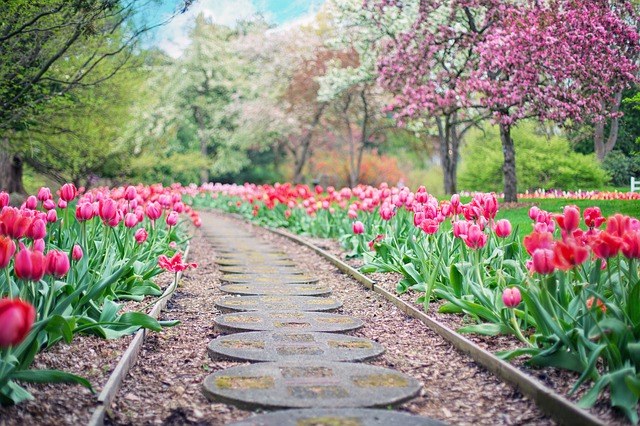
For a fresh update to your landscaping, re-edge your flower or rock beds with soft curves. Curved beds are the newer style and much more up-to-date than a sharp corner or straight line. Cutting the edges of your flower beds is cheap, but it can totally transform your flower bed's appearance.
Quality Products
Pick quality products and avoid the cheaper ones. Big chains and home improvement stores usually carry cheaper, lower quality products. A specialty store will have knowledgeable staff who can give you good product recommendations and advice. It's worth it to pay more for quality products and solid landscaping advice.
Get professional advice before starting a landscaping project. A short discussion about your ideas and approach with a pro can widen your perspective and uncover any issues in your design that need rethinking. If you are new to landscaping or are inexperienced, this expenditure may be of great help to you.
When planning your landscaping, try more than just a couple kinds of plants. This will help maintain your landscape if a disease or a pest infects your design. If you use few types of plants, the insect or disease will take them all out. Diversity in landscaping is vital to plant health.
For some things, you can get the product that costs less. Things such as containers, mulch, and regular perennials are things you want to buy cheaper, as the costly versions are the same. Take the time to inspect plants before you buy them. Often plants that are being sold on clearance have been neglected or are already past their prime.
Peat Moss
Peat moss makes a great ground cover for you to add to your planting areas. Your plants can get many useful nutrients from peat moss that might otherwise be hard to come by. It also provides an attractive contrast to the greenery.
Use evergreen and other foliage plants to give your yard a sense of continuity. Some plants only blossom for short periods of time, so some seasons you can have a dull garden. Use foliage plants or evergreens to fill in your yard so it stays green.
One creative way to make your landscaping project stand out, is to use a variety of complimentary textures when choosing the plants. The contrast these plants will add throughout your yard, will help you create a breathtaking landscape. Make sure that the plants are evenly dispersed for optimal appeal.
To prevent wasting money, plan your landscape on paper before running out to the nursery. Start by drawing up a basic sketch of your ideas so that it's easier to figure out what sort of materials you'll need. It can be fun to buy things on impulse, but it can also be costly, and won't always give you your dream yard.
If you hope to create a landscape that's distinct and is easy to maintain, you need to focus on using native plants as much as possible. Plants that have already been proven to thrive in your climate will be easier to maintain than those that haven't. Local plants are also adapted to your local rainfall so they will require less watering, and thus, will lower your water bill.
Prior to starting a landscape endeavor, spend a bit of money on a professional consultation. It may take a bit of cash, but by having an expert tell you what they think you can avoid costly mistakes and save some time. A quick hour with a professional will get you started off right.
Know that your lawn's soil will have a big impact on your design. Many plants require a certain kind of soil to grow and thrive. If your soil is not good, you may want to replace it, or at least add mulch and wood chips to your flower beds.
Work on your landscape in sections. Draw a mental grid on your yard and then tackle one task at a time, giving you the ability to work in smaller chunks both with your budget and your time. This way, you could begin with different kinds of plants or begin in different sections.
This article has offered a good foundation on the topic of landscaping, and is sure to pay dividends to every homeowner who takes it advice to heart. Whether you're planning to start in the front or back yard, you wish to plant more or remove what you have, or even want to build a structure like a pool house, you're now ready to tackle your project with ease!