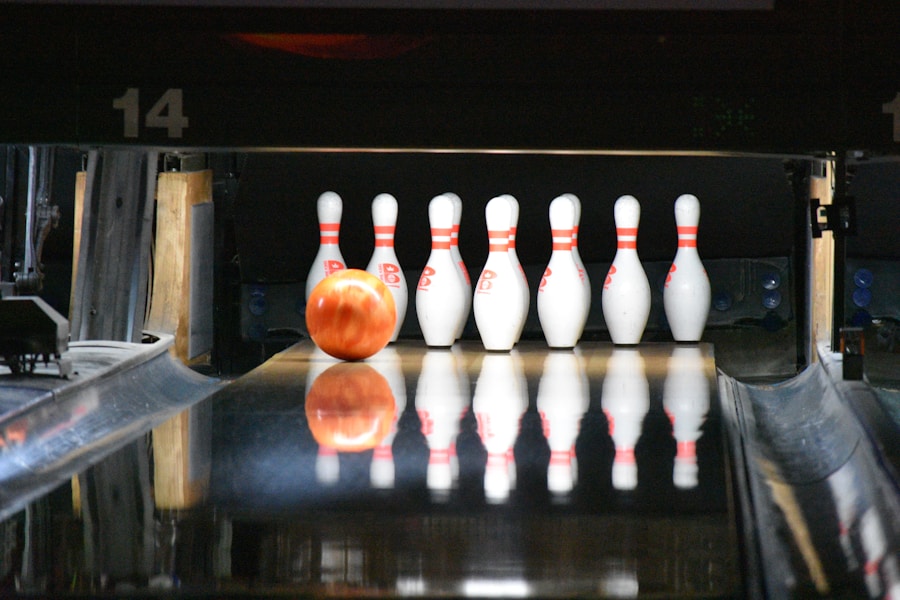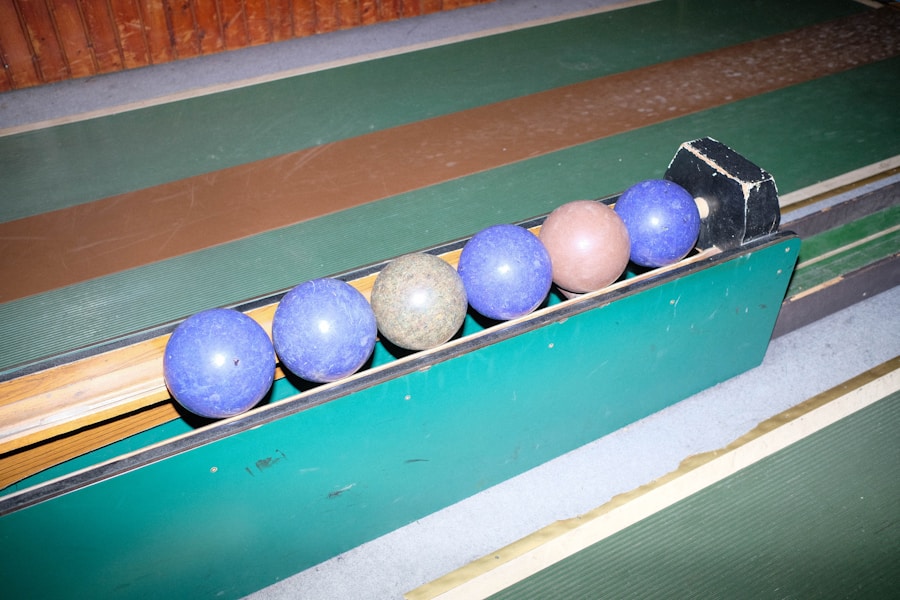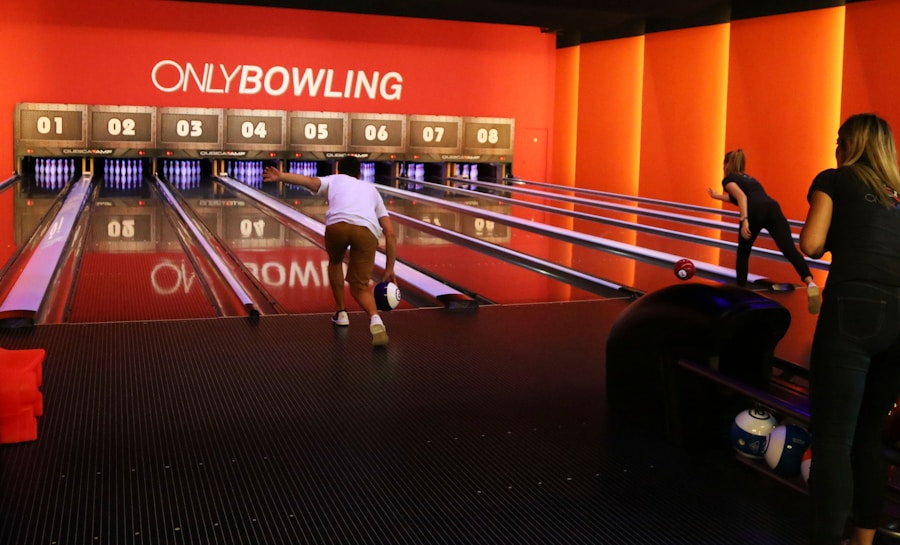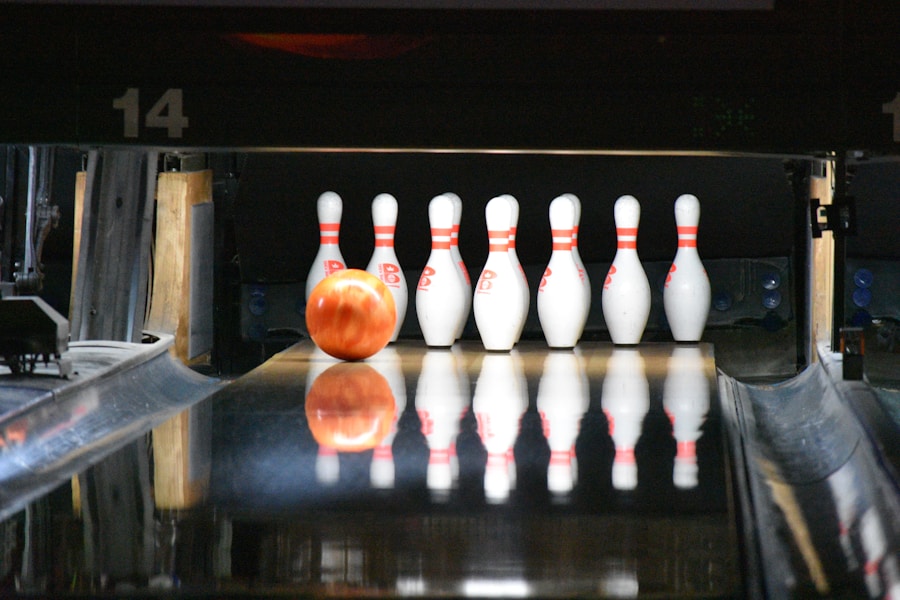
Bowling is a popular sport and recreational activity that has been enjoyed by people of all ages for many years. The basic premise of the game is to roll a ball down a lane and knock down as many pins as possible. The game is typically played in teams or individually, and the objective is to score the highest number of points by knocking down the most pins. Each player gets a turn to roll the ball, and the game consists of a set number of frames, with each frame consisting of two rolls. The player with the highest score at the end of the game is declared the winner.
In addition to the basic rules of the game, there are also specific terms and techniques that are important to understand when it comes to bowling. For example, the approach is the area where the player stands before releasing the ball, and the release is the act of letting go of the ball. The angle at which the ball is released, as well as the speed and spin, can all affect the outcome of the roll. Understanding these basics is essential for anyone looking to improve their bowling skills.
Choosing the Right Bowling Ball
One of the most important aspects of bowling is choosing the right ball. There are many different types of bowling balls available, each with its own unique characteristics and advantages. When selecting a ball, it's important to consider factors such as weight, coverstock material, and finger hole size. The weight of the ball is crucial, as it can greatly impact the player's ability to control and roll the ball effectively. A ball that is too heavy can lead to fatigue and decreased accuracy, while a ball that is too light may not provide enough power to knock down the pins.
The coverstock material of the ball also plays a significant role in its performance. There are three main types of coverstock: plastic, urethane, and reactive resin. Plastic balls are typically used by beginners and are best suited for straight shots, while urethane balls offer more hook potential and are better for intermediate players. Reactive resin balls are designed for advanced players and provide the most hook potential, making them ideal for hook shots. Additionally, the finger hole size should be comfortable and allow for a secure grip. Choosing the right ball is essential for maximizing performance on the lanes.
Mastering the Bowling Technique
Mastering the technique of bowling requires practice, patience, and dedication. There are several key elements to consider when it comes to perfecting one's bowling technique. The stance is one of the most important aspects, as it sets the foundation for a successful roll. The player should stand with their feet shoulder-width apart and their knees slightly bent, with their non-dominant foot forward and their dominant foot back. This position provides stability and balance, allowing for a smooth and controlled delivery of the ball.
The approach is another crucial component of the bowling technique. The player should take a few steps forward before releasing the ball, using a consistent and controlled motion. The release itself should be smooth and fluid, with a slight flick of the wrist to impart spin on the ball. The follow-through is also important, as it helps to maintain accuracy and power throughout the roll. By mastering these key elements of the bowling technique, players can improve their overall performance and increase their chances of knocking down more pins.
Learning the Bowling Etiquette
In addition to understanding the rules and techniques of bowling, it's also important to be familiar with proper bowling etiquette. This includes respecting other players' turns, refraining from distracting or disruptive behavior, and maintaining a clean and orderly playing environment. When it's your turn to bowl, it's important to wait until the players on adjacent lanes have finished their rolls before stepping onto the approach. This shows respect for other players and helps to maintain a smooth and efficient pace of play.
It's also important to be mindful of noise levels and avoid any behavior that could distract or disrupt other players. This includes refraining from talking loudly or making sudden movements while others are preparing to bowl. Additionally, it's important to clean up after yourself and keep the area around your lane tidy. This includes picking up any stray balls or equipment, as well as disposing of any trash or debris. By adhering to proper bowling etiquette, players can contribute to a positive and enjoyable experience for everyone involved.
Understanding the Bowling Lane
Understanding the layout and characteristics of the bowling lane is essential for success in the game. The lane itself is 60 feet long and consists of 39 boards that run from the foul line to the head pin. Each board is about 1 inch wide, and they are numbered from left to right, with board 1 being on the far left side of the lane. The arrows located about 12-16 feet from the foul line serve as a targeting guide for players, helping them to aim their shots more accurately.
The lane also features oil patterns that can greatly impact ball performance. These patterns are applied to the lane surface in specific configurations to create different levels of friction and hook potential. Understanding these patterns can help players adjust their technique and ball selection accordingly. For example, a heavier oil pattern may require a ball with more hook potential, while a lighter pattern may call for a straighter shot. By familiarizing themselves with the layout and characteristics of the bowling lane, players can make more informed decisions and improve their overall performance.
Tips for Improving Your Bowling Score
Improving one's bowling score requires a combination of skill, strategy, and practice. There are several tips and techniques that can help players maximize their scoring potential on the lanes. One important tip is to focus on consistency in both technique and approach. This includes maintaining a consistent stance, approach, release, and follow-through with each roll. Consistency helps to minimize variability in performance and increase accuracy.
Another tip for improving your bowling score is to pay attention to lane conditions and adjust your strategy accordingly. As mentioned earlier, oil patterns can greatly impact ball performance, so it's important to be aware of these patterns and make adjustments as needed. This may involve changing your starting position, target area, or ball selection based on how the lane is playing. Additionally, practicing spare shots can greatly improve your overall score by minimizing missed opportunities.
Common Bowling Mistakes to Avoid
While there are many ways to improve your bowling score, there are also common mistakes that can hinder your performance on the lanes. One common mistake is gripping the ball too tightly, which can lead to decreased accuracy and control. It's important to maintain a relaxed grip on the ball to allow for a smooth release and follow-through.
Another common mistake is failing to adjust your strategy based on lane conditions. As mentioned earlier, oil patterns can greatly impact ball performance, so it's important to be aware of these patterns and make adjustments as needed. This may involve changing your starting position, target area, or ball selection based on how the lane is playing.
In conclusion, bowling is a fun and challenging sport that requires skill, strategy, and practice. By understanding the basics of bowling, choosing the right ball, mastering technique, learning etiquette, understanding the lane, improving your score, and avoiding common mistakes, players can enhance their overall performance on the lanes and enjoy a more rewarding experience. Whether you're a beginner or an experienced bowler, there are always opportunities for improvement and growth in this timeless sport.