Introduction
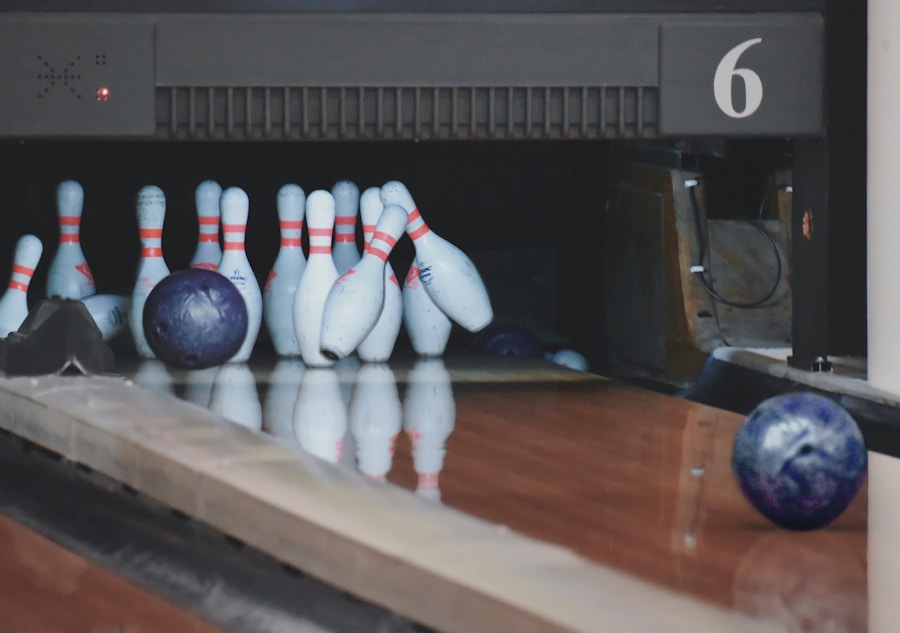
This guide outlines essential pre-game warm-up exercises for bowlers, focusing on preparing the body for the demands of the sport and minimizing the risk of injury. A well-structured warm-up acts as a bridge between rest and activity, gradually increasing heart rate, muscle temperature, and joint mobility. It is not merely a perfunctory ritual but a strategic component of performance enhancement.
The Foundational Principles of a Pre-Game Warm-Up
A pre-game warm-up for bowling should be systematic and address the specific biomechanical requirements of the sport. It's about igniting the engine, not stalling it. The core principles involve gradually preparing the cardiovascular system, enhancing mobility in key joints, activating the muscles that will be under stress, and honing neuromuscular control. Think of it as composing a symphony of movement, where each section plays its part in harmony.
Understanding the Demands of Bowling
Bowling is a complex athletic activity that involves a dynamic sequence of movements. The approach requires coordinated leg drive and balance, the swing utilizes significant shoulder and core rotation, and the release demands fine motor control and stability. Each component places unique stress on the body, and without adequate preparation, these stresses can lead to inefficiencies and potential injuries. Your body is a finely tuned instrument; it requires careful tuning before a performance.
The Physiology of Warming Up
Physiologically, warming up increases blood flow to the muscles, delivering oxygen and nutrients while removing metabolic byproducts. This elevated temperature makes muscles more pliable and less susceptible to tears or strains. It also enhances nerve conduction velocity, allowing for quicker and more precise muscle activation. The central nervous system, the conductor of this bodily orchestra, becomes more responsive.
Key Components of an Effective Warm-Up
An effective warm-up integrates several types of exercise:
- General Cardiovascular Activity: To raise core body temperature and heart rate.
- Dynamic Stretching: To improve range of motion and prepare joints.
- Sport-Specific Activation Drills: To engage the muscles used in bowling.
- Neuromuscular Control Exercises: To refine balance and coordination.
General Cardiovascular Preparation: Igniting the Engine
The initial phase of any warm-up is dedicated to raising the body's core temperature and preparing the cardiovascular system. This is not about reaching peak exertion but rather about creating a metabolic readiness. A gentle hum before the crescendo.
Light Aerobic Activity
Engage in 5-10 minutes of light aerobic activity. This can include:
- Walking or Light Jogging: A brisk walk around the alley or a light jog on the spot will increase circulation.
- Jumping Jacks or High Knees: These can be incorporated to elevate the heart rate further and activate larger muscle groups.
- Cycling (if available): A stationary bike can offer a controlled way to warm up.
The goal is to feel a slight increase in respiration and a mild warmth throughout the body. This signals that your internal furnace is beginning to stoke.
Moderate Intensity Cardio
Gradually increase the intensity of your chosen activity over the first few minutes. You should be able to talk, but with slightly shorter sentences. This ensures the body is not shocked by an abrupt increase in workload. Think of this as tuning your instrument, ensuring each note is clear before the melody begins.
Dynamic Stretching: Unlocking Mobility
Dynamic stretching involves controlled, fluid movements that take your joints and muscles through their full range of motion. Unlike static stretching, which holds a stretch for an extended period, dynamic stretches prepare the muscles for the explosive and repetitive actions of bowling. This is akin to loosening the hinges on a door before it swings open and closed.
Lower Body Dynamic Stretches
Focus on the muscles that drive your approach and provide stability:
Leg Swings (Forward and Backward)
Stand with your feet hip-width apart, holding onto a wall or rack for balance.
- Forward Swing: Swing one leg forward in a controlled manner, keeping your torso upright. Aim for a comfortable range of motion without forcing it. Repeat 10-15 times per leg.
- Backward Swing: Keeping the same leg straight, swing it backward. Focus on extending the hip. Repeat 10-15 times per leg.
These movements help prepare the hip flexors and hamstrings for the powerful extension and flexion required during the approach.
Leg Swings (Lateral)
Stand facing a wall or rack.
- Lateral Swing: Swing one leg out to the side, keeping your leg straight and your torso stable. Return to the starting position and repeat. Perform 10-15 repetitions per leg.
This targets the hip abductors and adductors, crucial for maintaining balance and control during the bowling motion.
Hip Circles
Stand with feet hip-width apart.
- Hip Circles: Place your hands on your hips. Rotate your hips in a circular motion, first clockwise and then counter-clockwise. Perform 10-15 circles in each direction.
This lubricates the hip joint and improves rotational mobility.
Walking Lunges with Torso Twist
Step forward into a lunge, ensuring your front knee does not go past your toes.
- Walking Lunges: As you lunge, twist your torso towards the front leg. Return to the starting position and repeat with the opposite leg. Perform 10-12 lunges per leg.
This dynamic movement combines lower body strength with core rotation, directly mimicking aspects of the bowling swing.
Upper Body Dynamic Stretches
Prepare the shoulders, arms, and core for the casting motion and rotational forces:
Arm Circles (Forward and Backward)
Stand with your feet shoulder-width apart.
- Arm Circles: Extend your arms to the sides. Begin with small circles and gradually increase the size. Perform 10-15 circles forward and then 10-15 backward.
These circles gradually mobilize the shoulder joint and the rotator cuff muscles.
Shoulder Rotations (Internal and External)
Stand with your elbows bent at 90 degrees, close to your sides.
- External Rotation: Rotate your forearms outwards, keeping your elbows in place.
- Internal Rotation: Rotate your forearms inwards across your body. Perform 10-15 repetitions of each motion.
These exercises target the smaller stabilizing muscles of the shoulder, essential for injury prevention.
Torso Twists
Stand with your feet shoulder-width apart, hands clasped in front of your chest.
- Torso Twists: Keeping your hips relatively stable, twist your torso from side to side. Allow your gaze to follow your hands. Perform 15-20 twists in each direction.
This directly prepares the obliques and spinal erectors for the rotational demands of the bowling swing.
Muscle Activation and Engagement: Waking the Sleepers
Once the body is warmed and mobile, it's time to actively engage the muscles that will be working during bowling. This phase is about sending signals to the relevant muscle groups, telling them to prepare for action. It's like giving your troops their marching orders.
Core Activation
A strong and stable core is the linchpin of a powerful and accurate bowling game. Engaging the core muscles ensures efficient energy transfer from the lower body to the upper body.
Plank
Lie face down, then lift yourself onto your forearms and toes, keeping your body in a straight line from head to heels.
- Plank Hold: Hold this position for 30-60 seconds. Focus on engaging your abdominal muscles and glutes. Repeat 2-3 times.
This isometric exercise strengthens the entire core, including the rectus abdominis, obliques, and transverse abdominis.
Bird-Dog
Start on your hands and knees, with your hands directly under your shoulders and your knees under your hips.
- Bird-Dog: Simultaneously extend your right arm forward and your left leg backward, keeping your back flat and your core engaged. Hold for a moment, then return to the starting position. Repeat on the opposite side. Perform 10-12 repetitions per side.
This exercise enhances core stability and helps improve balance and coordination.
Shoulder and Upper Back Activation
The rotator cuff and upper back muscles are vital for generating power and controlling the bowling arm.
Band Pull-Aparts
Hold a resistance band with both hands, arms extended in front of you.
- Band Pull-Aparts: Keeping your arms straight, pull the band apart by squeezing your shoulder blades together. Hold for a second at the peak contraction, then slowly return to the starting position. Perform 15-20 repetitions.
This exercise strengthens the rhomboids and posterior deltoids, muscles that help stabilize the shoulder and improve posture.
External Rotations with Resistance Band
Anchor a resistance band to a stable object at elbow height. Stand with your side to the anchor point, holding the band with the hand furthest from the anchor. Keep your elbow bent at 90 degrees and tucked close to your side.
- External Rotations: Keeping your elbow tucked, rotate your forearm outwards away from your body. Return slowly to the starting position. Perform 15-20 repetitions per arm.
This directly targets the external rotators of the shoulder, crucial for preventing injury.
Glute Activation
Strong glutes provide a stable base and power the initial drive of the approach.
Glute Bridges
Lie on your back with your knees bent and feet flat on the floor, hip-width apart.
- Glute Bridges: Squeeze your glutes and lift your hips off the floor until your body forms a straight line from your shoulders to your knees. Hold for a second at the top, then slowly lower yourself back down. Perform 15-20 repetitions.
This exercise directly targets the gluteal muscles, enhancing hip extension strength.
Sport-Specific Movements and Drills: Rehearsing the Performance
table{width:100%;border-collapse:collapse;border:2px solid #f2f2f2}tr{display:table-row;vertical-align:inherit;border-color:inherit;line-height:40px}th,td{padding:12px;text-align:left;border-bottom:1px solid #e5e7eb;line-height:40px}
| Exercise | Description | Duration |
|---|---|---|
| Jumping Jacks | Start with feet together and arms at your sides, then jump, landing with your feet apart and arms overhead. Jump back to starting position and repeat. | 2 minutes |
| High Knees | Run in place, lifting your knees as high as possible with each step. | 1 minute |
| Arm Circles | Extend your arms out to the sides and make small, circular motions with your arms, gradually increasing the size of the circles. | 1 minute |
| Leg Swings | Stand next to a wall or sturdy object and swing one leg forward and backward, then switch to the other leg. | 1 minute per leg |
The final stage of the warm-up involves drills that closely mimic the specific movements and demands of bowling. This is where you connect the warmed-up body to the action of the game. It's about practicing the routine before the main event.
Approach Simulation
Practice the different phases of your approach without the ball or with a very light ball.
- Walking Approach: Perform several controlled approaches, focusing on balance, rhythm, and timing. Pay attention to your footwork and body positioning.
- Leg Drive Practice: Focus on the explosive push-off from your back leg and the controlled slide of your front leg.
These repetitions help ingrain the correct motor patterns and refine the coordination between your upper and lower body.
Arm Swing and Release Practice
- Ghost Bowling: Go through your entire bowling motion without a ball. Focus on the fluidity of your arm swing, the rotation of your torso, and the follow-through.
- Light Ball Swings: If a light practice ball is available, perform several swings with it. Focus on generating momentum and maintaining control throughout the swing.
- Release Simulation: Practice the feeling of releasing the ball at the intended point of release, focusing on finger action and wrist position.
This phase is critical for ensuring that the muscle activation and mobility work translates directly into efficient and controlled bowling movements.
Balance and Stability Drills
- Single-Leg Stance: Stand on one leg for 30 seconds, then switch legs. This improves ankle and proprioceptive stability.
- Balance Board (if available): Use a balance board for short periods to challenge your stability.
These drills enhance the neuromuscular control necessary for maintaining balance during the dynamic approach and release.
Cool-Down and Recovery: Laying the Groundwork for the Next Session
While the focus is on pre-game warm-up, a brief cool-down is beneficial for allowing the body to gradually return to a resting state and can aid in the initial stages of recovery. This is the epilogue to the performance, preparing for the next chapter.
Light Activity
After bowling, engage in 5 minutes of light activity such as walking. This helps to clear metabolic byproducts from the muscles.
Static Stretching
Perform static stretches targeting the major muscle groups used in bowling. Hold each stretch for 20-30 seconds without bouncing.
- Hamstring Stretch: Sit with one leg extended and the other bent, reaching towards your toes.
- Quad Stretch: Stand and pull one heel towards your glutes, keeping your knees together.
- Calf Stretch: Place your hands against a wall and step one leg back, keeping the heel on the ground.
- Triceps and Shoulder Stretch: Reach one arm overhead and bend the elbow, using the other hand to gently pull the elbow back.
These stretches help to restore muscle length and flexibility, potentially reducing post-activity soreness.
Hydration and Nutrition
Ensure you rehydrate adequately after bowling and consume a balanced meal to replenish energy stores. This is the foundation for rebuilding and preparing for future exertion.
Conclusion
A comprehensive pre-game warm-up routine is an indispensable element of a bowler's preparation. By systematically addressing cardiovascular conditioning, joint mobility, muscle activation, and sport-specific movements, bowlers can optimize their performance, enhance their accuracy and power, and significantly reduce their susceptibility to injuries. Treating your warm-up as a strategic investment, rather than a mere formality, will yield dividends on the lane.