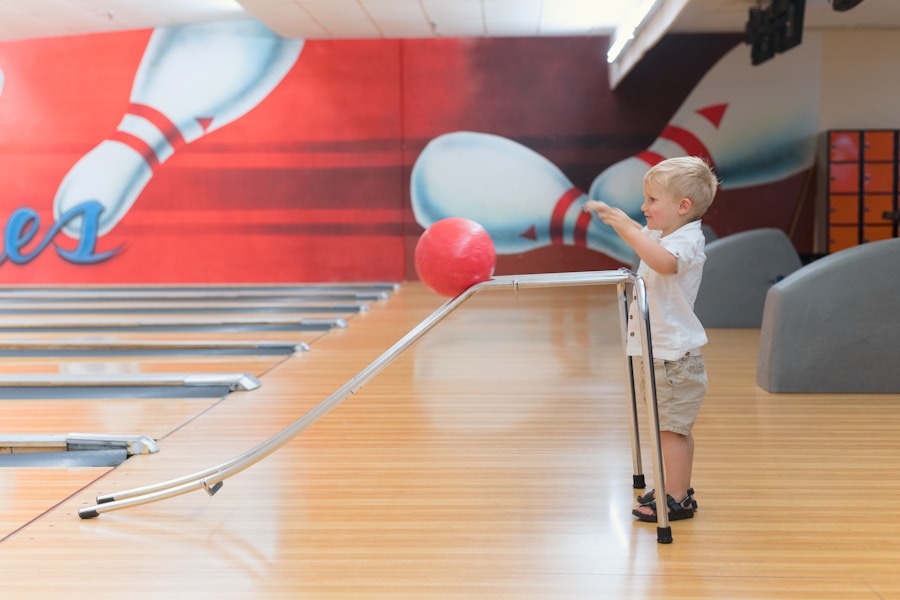
Proper technique is essential in any physical activity, especially when it comes to exercise and sports. Using the correct form and movement patterns not only maximizes the effectiveness of the workout, but also minimizes the risk of injury. Whether you are lifting weights, running, or playing a sport, using proper technique ensures that you are engaging the right muscles and joints, and not putting unnecessary strain on your body. For example, in weightlifting, using the correct form for exercises such as squats and deadlifts can prevent back injuries and promote muscle growth. In running, maintaining proper posture and foot strike can prevent overuse injuries and improve performance. In sports such as basketball or tennis, using proper technique for movements like jumping and serving can prevent sprains and strains. Overall, proper technique is crucial for both maximizing performance and preventing injury in any physical activity.
Furthermore, using proper technique can also lead to better long-term results. By engaging the correct muscles and joints, you can ensure that you are targeting the intended areas for improvement. This can lead to better muscle development, improved endurance, and overall better physical fitness. On the other hand, using improper technique can lead to imbalances in muscle development, decreased performance, and increased risk of injury. Therefore, it is important to prioritize proper technique in any physical activity to ensure both short-term safety and long-term success.
Choosing the Right Equipment
Selecting the right equipment is crucial for ensuring a safe and effective workout or sports performance. Whether it's choosing the right running shoes, selecting the appropriate weightlifting gear, or picking the right sports equipment, having the proper gear can make a significant difference in your performance and safety. For example, when it comes to running shoes, it's important to choose a pair that provides adequate support and cushioning for your specific foot type and running style. This can help prevent injuries such as shin splints, plantar fasciitis, and stress fractures. In weightlifting, using the right equipment such as lifting belts, wrist wraps, and proper footwear can provide support and stability during heavy lifts, reducing the risk of injury. When it comes to sports equipment, such as helmets, pads, and protective gear, choosing the right size and fit is essential for preventing injuries during contact sports.
Moreover, selecting the right equipment can also enhance your performance. For example, using a high-quality tennis racket with the right grip size and string tension can improve your control and power on the court. Similarly, using a properly fitted bike with the right gear ratios can enhance your cycling performance and reduce the risk of overuse injuries. Overall, choosing the right equipment is essential for both safety and performance in any physical activity.
Warming Up and Stretching
Warming up and stretching are essential components of any physical activity or exercise routine. A proper warm-up prepares the body for more intense physical activity by increasing blood flow to the muscles, raising body temperature, and improving flexibility. This can help prevent injuries such as muscle strains, ligament sprains, and joint injuries during exercise or sports. A good warm-up should include light aerobic activity such as jogging or cycling, followed by dynamic stretching exercises that mimic the movements of the upcoming workout or sport. This helps prepare the muscles and joints for the specific movements they will be performing.
In addition to warming up, stretching is also important for maintaining flexibility and preventing injuries. Static stretching exercises after a workout or sports activity can help improve flexibility and reduce muscle tightness. This can help prevent muscle imbalances, improve posture, and reduce the risk of overuse injuries over time. It's important to stretch all major muscle groups, including the hamstrings, quadriceps, calves, chest, back, and shoulders. Incorporating regular stretching into your exercise routine can also improve overall mobility and range of motion, leading to better performance in various physical activities.
Maintaining Physical Fitness
Maintaining physical fitness is crucial for overall health and well-being. Regular exercise not only helps improve cardiovascular health, muscular strength, and endurance but also reduces the risk of chronic diseases such as heart disease, diabetes, and obesity. Engaging in regular physical activity also promotes mental well-being by reducing stress, anxiety, and depression. It's important to incorporate a variety of exercises into your fitness routine to target different muscle groups and energy systems. This can include cardiovascular exercises such as running, cycling, or swimming, as well as strength training exercises using weights or resistance bands.
In addition to regular exercise, maintaining physical fitness also involves paying attention to nutrition and hydration. Consuming a balanced diet that includes a variety of fruits, vegetables, lean proteins, and whole grains provides essential nutrients for energy production and muscle recovery. Staying hydrated by drinking an adequate amount of water throughout the day is also important for maintaining physical fitness. Proper hydration supports optimal performance during exercise and helps regulate body temperature.
Avoiding Overexertion
Overexertion occurs when you push your body beyond its limits during physical activity or exercise. This can lead to fatigue, muscle soreness, decreased performance, and an increased risk of injury. It's important to listen to your body's signals and avoid overexertion by pacing yourself during workouts or sports activities. This may involve taking breaks when needed, reducing the intensity or duration of exercise when feeling fatigued, or adjusting your training schedule to allow for adequate rest and recovery.
Furthermore, overexertion can also occur when you increase the intensity or duration of exercise too quickly without allowing your body to adapt. This can lead to overuse injuries such as tendinitis, stress fractures, or muscle strains. It's important to gradually progress your workouts by increasing intensity or duration no more than 10% per week to allow your body to adapt to the increased demands.
Taking Breaks and Resting
Taking breaks and allowing for adequate rest is essential for preventing overuse injuries and promoting recovery after intense physical activity. Rest days are important for allowing muscles to repair and rebuild after workouts or sports activities. This helps prevent overtraining syndrome, which can lead to decreased performance, fatigue, mood disturbances, and an increased risk of injury.
In addition to rest days, taking breaks during workouts or sports activities is important for preventing overexertion and fatigue. This may involve incorporating rest intervals into high-intensity interval training (HIIT) workouts or taking short breaks during long runs or bike rides. Listening to your body's signals of fatigue and taking breaks when needed can help prevent overexertion and reduce the risk of injury.
Seeking Professional Help if Injured
If you do experience an injury during exercise or sports activities, it's important to seek professional help from a healthcare provider such as a doctor or physical therapist. Ignoring an injury or trying to push through pain can lead to further damage and prolonged recovery time. A healthcare provider can assess the extent of the injury, provide a diagnosis, and recommend appropriate treatment options such as rest, physical therapy, or rehabilitation exercises.
In some cases, seeking professional help may also involve consulting with a sports medicine specialist or orthopedic surgeon for more serious injuries such as ligament tears or fractures. These specialists can provide advanced diagnostic imaging such as MRI scans or X-rays to assess the extent of the injury and recommend appropriate treatment options such as surgery or bracing.
In conclusion, prioritizing proper technique, choosing the right equipment, warming up and stretching, maintaining physical fitness, avoiding overexertion, taking breaks and resting when needed, and seeking professional help if injured are all essential components of preventing injuries during exercise or sports activities. By incorporating these strategies into your fitness routine or sports training program, you can minimize the risk of injury and promote long-term physical well-being. Remember that safety should always be a top priority when engaging in any physical activity or sport.